Mortsafe: Protection from the Living Dead
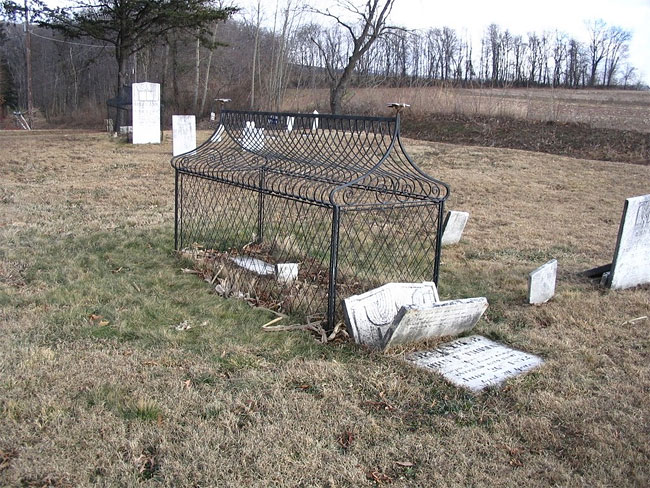
Mortsafes were contraptions designed to protect graves from disturbance. Resurrectionists had supplied the schools of anatomy in Scotland since the early 18th century. This was due to the necessity for medical students to learn anatomy by attending dissections of human subjects, which was frustrated by the very limited allowance of dead bodies – for example the corpses of executed criminals – granted by the government, which controlled the supply. Continue reading »
Living With Wolves
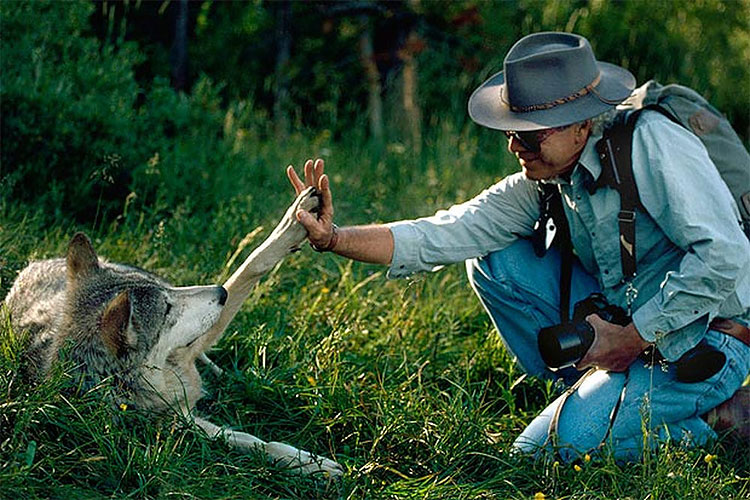
Jim and Jamie Dutcher spent six years in Idaho in a tent within the world’s largest wolf enclosure in order to observe and document the behavior of these wild animals. They got really close to the wolves and made many unique photos of wolves in their natural habitat. Continue reading »
School Bus Living
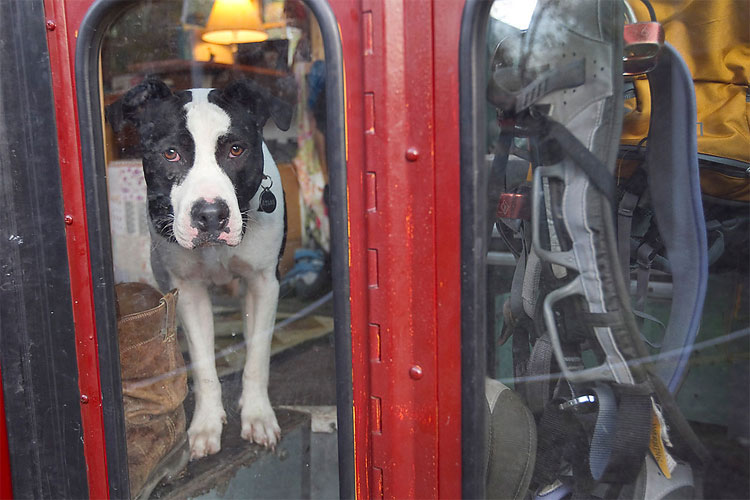
Mike and Natalie Young have embarked on a journey together as newlyweds and living in a renovated school bus they named “Rosie”. Currently they have it parked in a friend’s backyard in north Austin, but will soon travel to Washington state to live. They are accompanied by their faithful companion Atlas, a rescued dog they found a few months ago. Continue reading »
Living Typography by Nishant Jethi
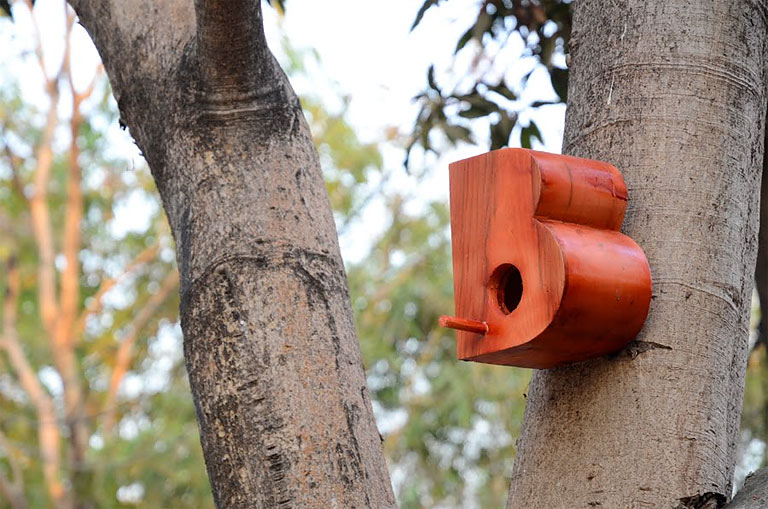
The number of House Sparrows has dramatically decreased in recent times because of a lack of nesting areas in the modern environments we build. This project looks to give, not only a nice look to nameplates and house numbers, but also a nice home for Sparrows. Each hallow wooden 3D letter provides ample room for Sparrows to nest and breed. Continue reading »
“Death – Festival for the Living” Exhibit
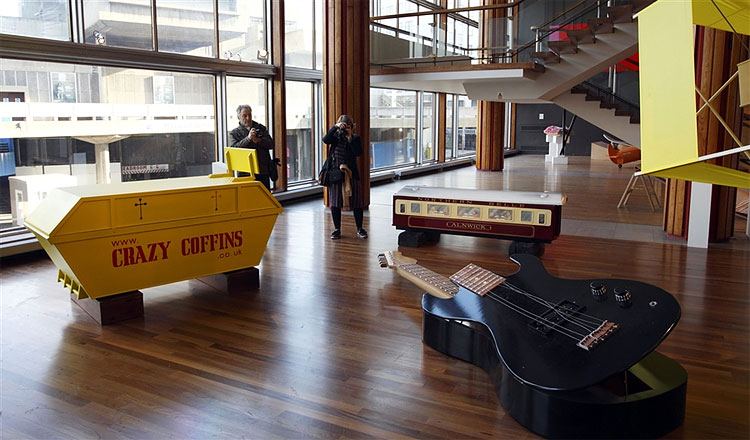
Visitors photograph various custom designed coffins, during the “Death – Festival for the Living” exhibit, at the Royal Festival Hall in London, on Jan. 28. Crazy Coffins, an offshoot of a Nottingham-based traditional coffin and urn maker which took on a new identity in the 1990s when people began asking to customize their final resting places, presents uncanny coffins as part of the exhibit. Continue reading »
Living With Lion Cubs
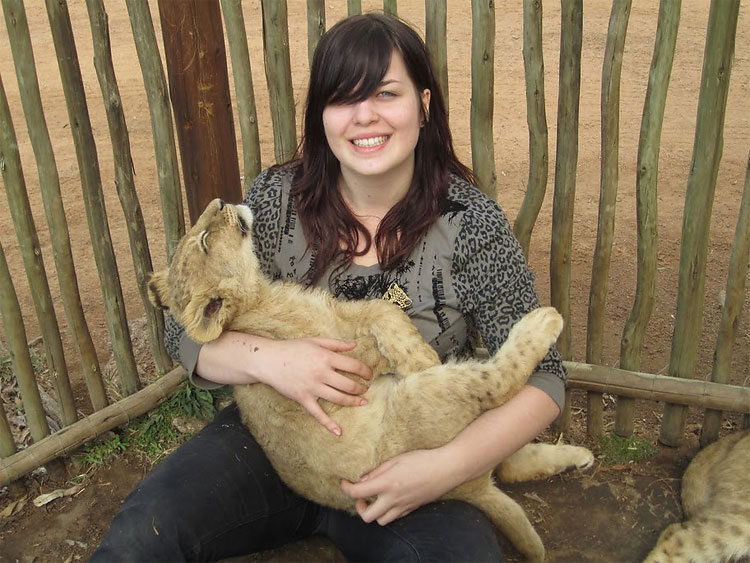
This brave girl’s name is Helen, and she did those awesome photos during she was involved in volunteer project called ‘Living with Lion Cubs’ in south Africa on August, 2011. Continue reading »
The Amazingly Detailed Living Pictures That Show How Scenes Throughout History May Really Have Looked
Have you ever felt frustrated that photography was invented too late to give you a glimpse of some of your favourite historical events?
Well, if you are a fan of Britain’s struggle for democracy and equality, a free exhibition in Bradford is here to help.
Ways Of Looking, a city-wide photography festival features some of Red Saunders’ finest works.The artist specialises in huge ‘tableaux vivants’ (living pictures) where he gets dozens of actors to recreate moments from British history including the English Civil War, the Chartist movement and the Peasants’ Revolt.
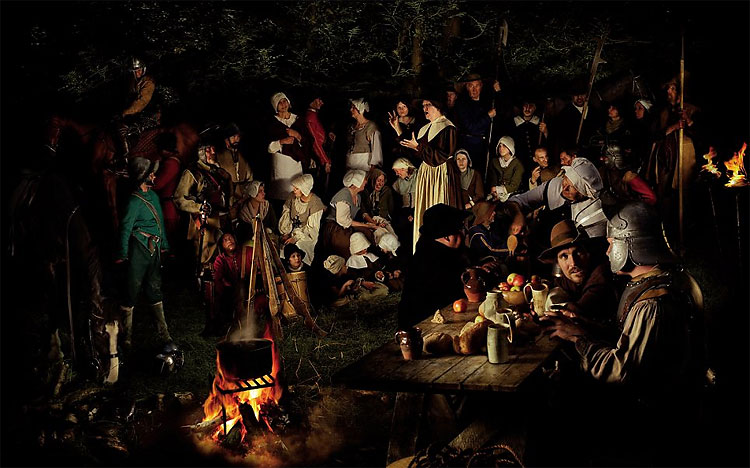
Historical ‘evidence’: Leveller Women in the English Revolution, 1647 is one of Red Saunders’ ‘tableaux vivants’ which recreates famous – and not so famous – scenes from the past. Continue reading »
Photo of the Day: Living on Thin Ice
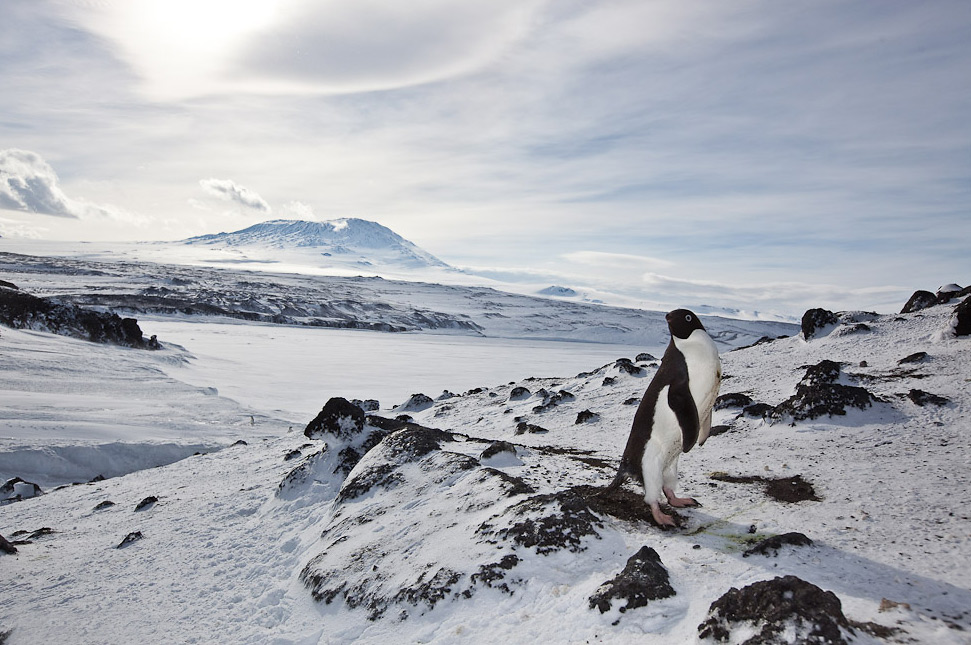
Beyond Cape Royds, Antarctica, home to the southernmost colony of penguins in the world, lies the Ross Sea, an extension of the Pacific Ocean that harbors more than one-third of the world’s Adélie penguin population and a quarter of all emperor penguins, and which may be the last remaining intact marine ecosystem on Earth. Credit: Andy Isaacson for The New York Times.
New Shanghai Living
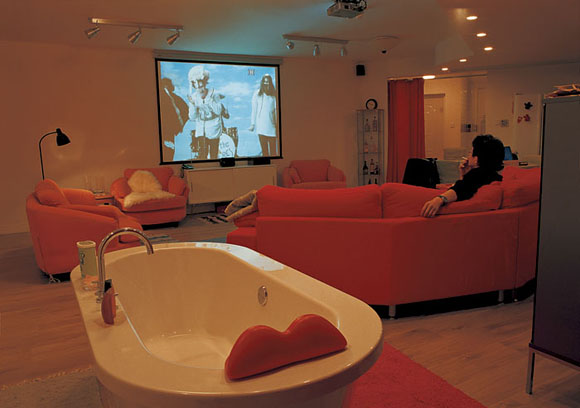
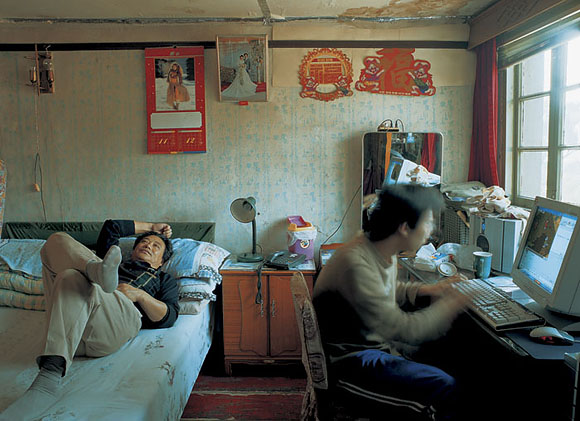
In photos of Hu Yang.
Hu Yang’s extensive photographic publication “Shanghai Living” documents the living spaces of 500 families living in today’s Shanghai. A selection of 100 of the images were first displayed at ShanghART Gallery and caused unforeseen public attention due to their rare and particular presentation of intimate and protected private spaces.
The “Shanghai Living” series works almost as an archive: all subjects and interiors, whether wealthy or impoverished, are equally treated. One might naturally question the objectivity, authenticity and honesty of the documentary photos. As with any other visual art form, the intentions and stylistic strategies are, ultimately, always a subjective choice made by the photographer. Nevertheless, these intimate portraits do not come across as staged settings, and unlike exterior views of the city, they are spaces that are otherwise closed to the public. Finally, it is up to the spectator to manage and interpret these contemporary iconographies of modern Shanghai living spaces.