1936 Stout Scarab: The World’s First Minivan?
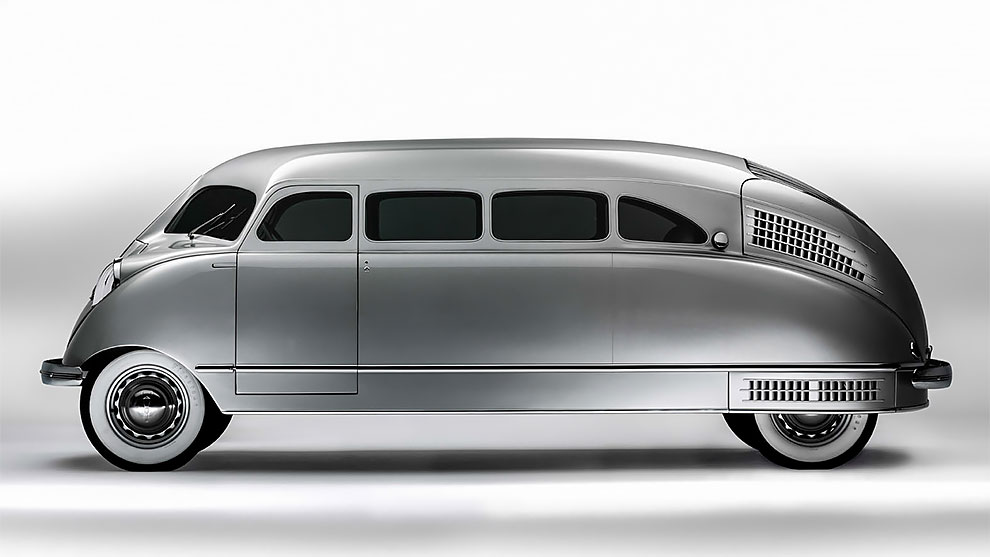
The 1936 Stout Scarab came about in the early 1930s when William B. Stout, head of the Stout Engineering Laboratories in Dearborn, Michigan, dreamed of rear-engine/rear-wheel drive. “When we finally ‘unhitch Old Dobbin’ from the automobile,” he wrote in Scientific American, “the driver will have infinitely better vision from all angles. The automobile will be lighter and more efficient and yet safer, the ride will be easier, and the body will be more roomy without sacrificing maneuverability.”

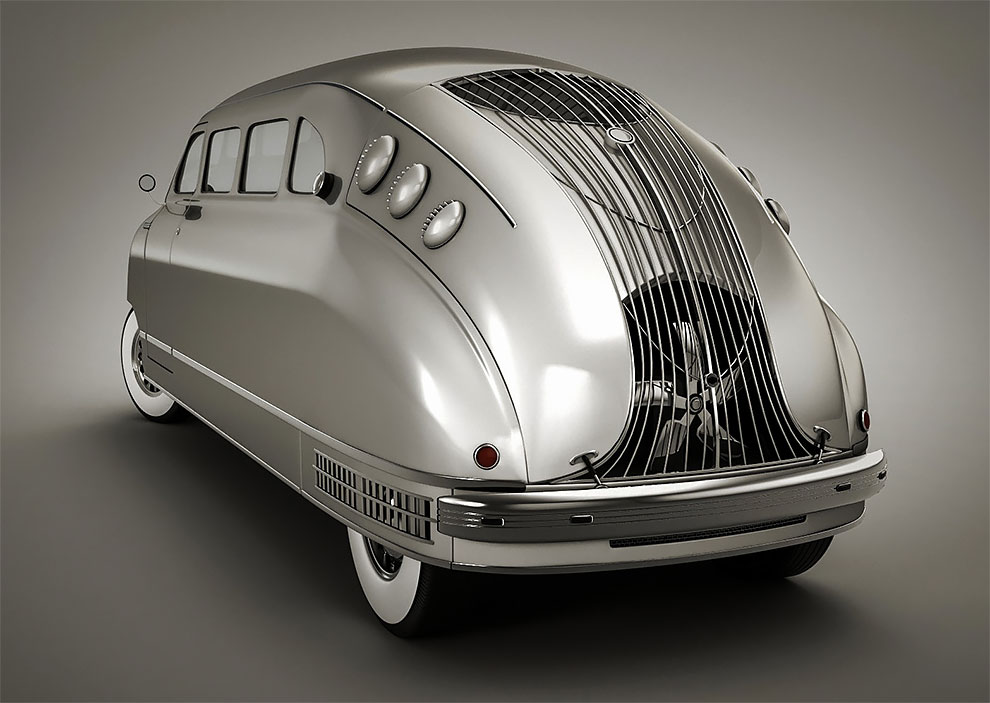
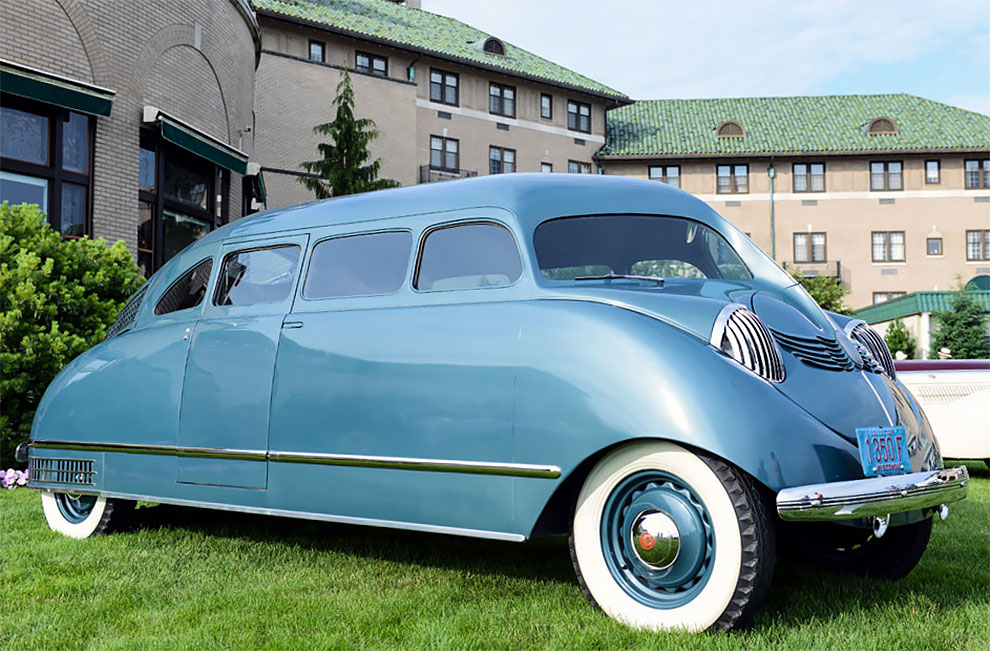
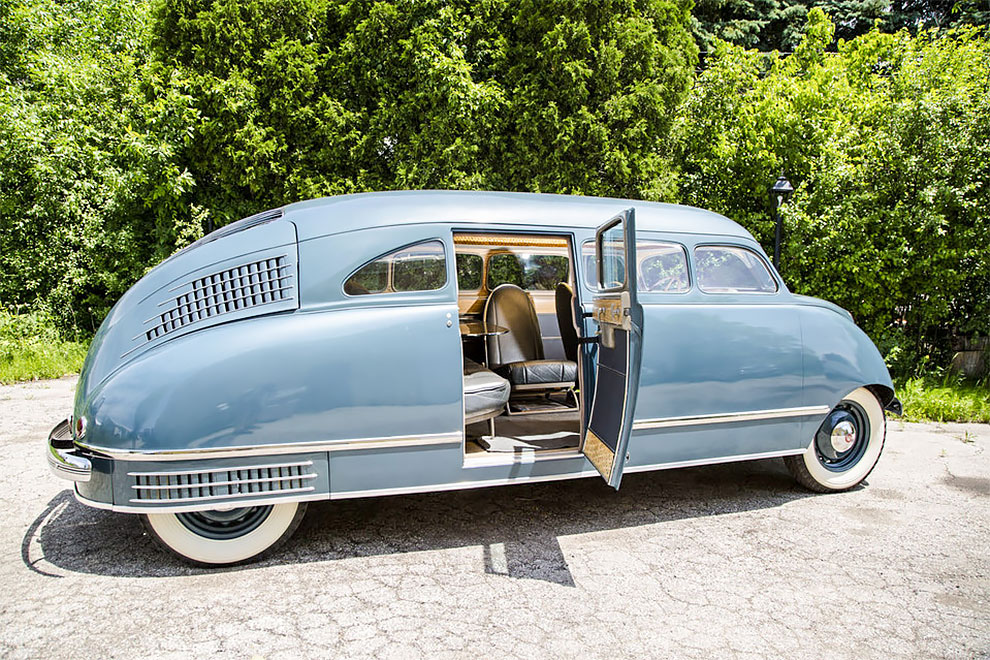
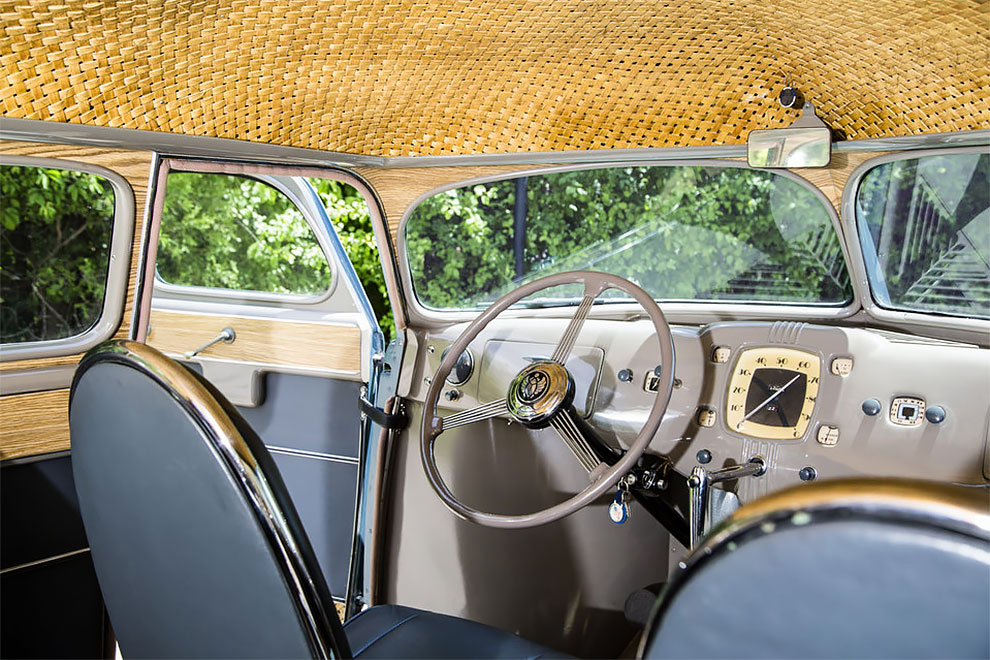
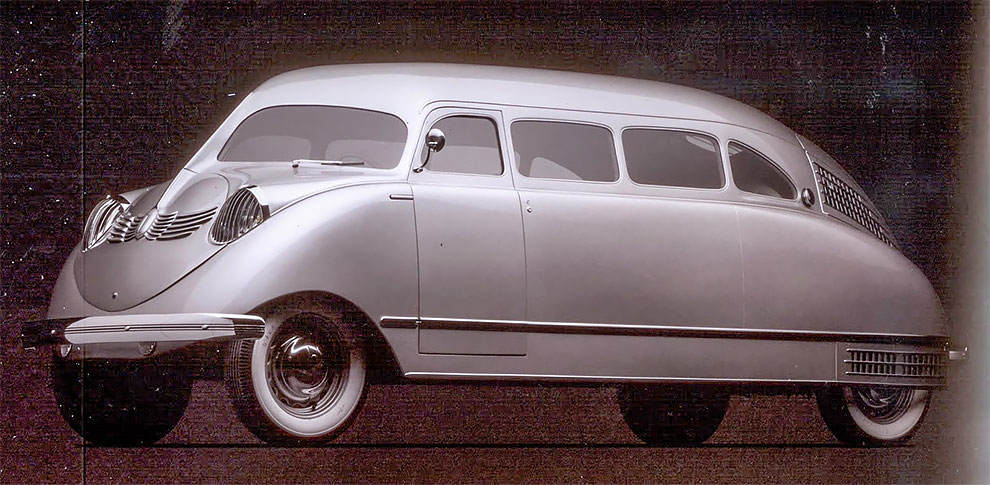
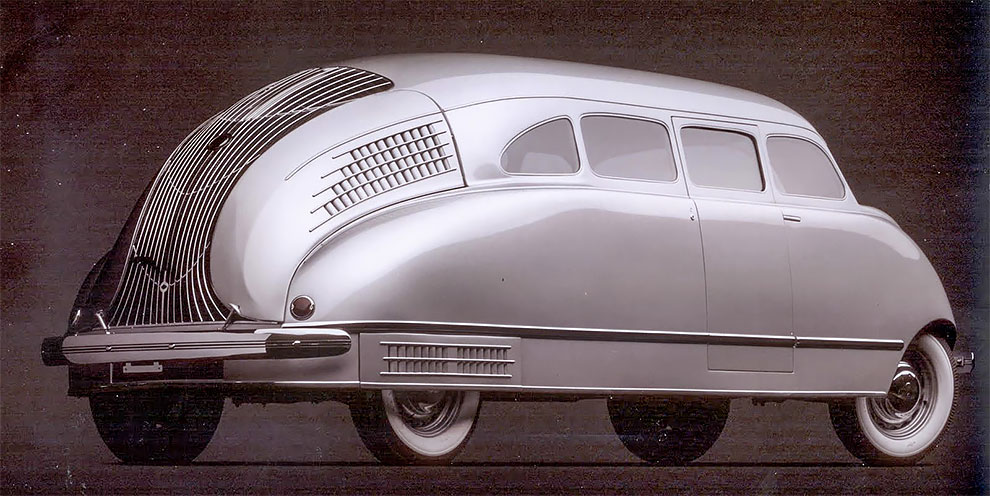
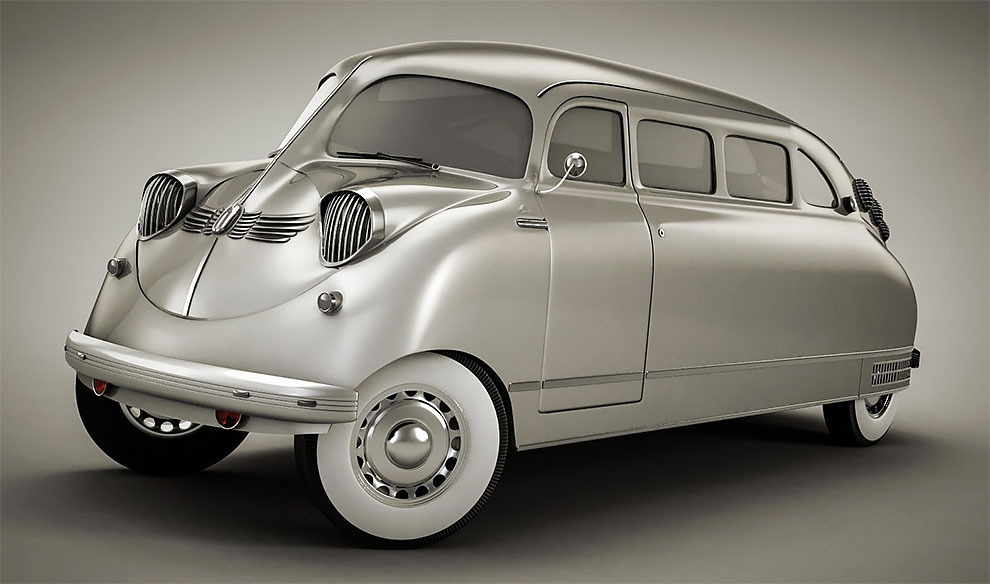
The Stout Scarab was a streamlined, fenderless, monoform six-passenger sedan that can stake a claim as the world’s first minivan. With a stubby front end, a boxy middle and a gloriously curved rear, the car certainly resembled its beetle namesake, the scarab.

The packaging was probably the Scarab’s greatest contribution to the development of the modern car. The wheels were placed at the corners, not unusual for the time, but rather than following the convention of expressing the fenders and running boards as separate design elements, the car’s body stretched right over them in a single, sleek form.

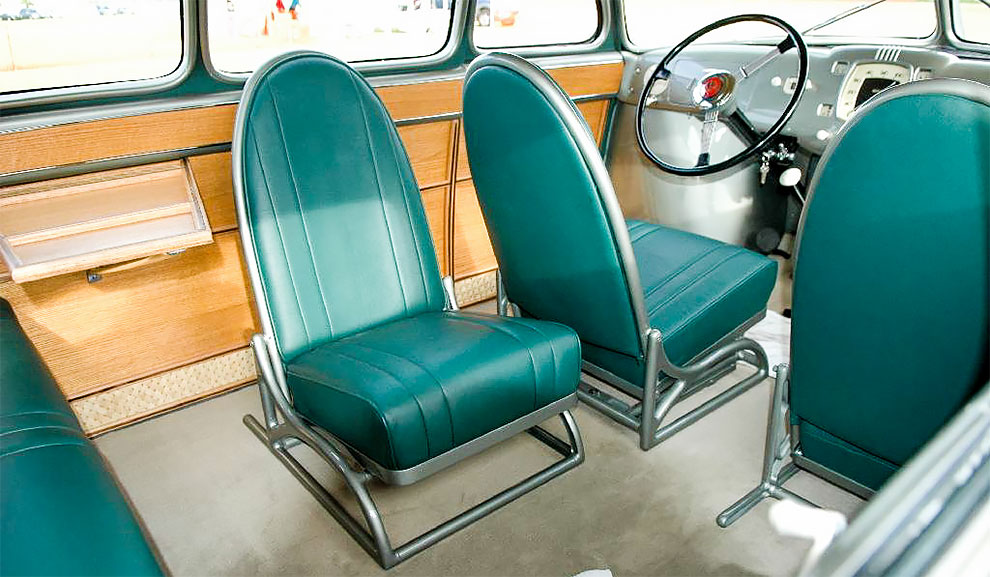
The engine was located in the rear, and the hood and front-end assembly were minimised. This allowed the passenger cabin to be stretched out between the wheels, giving the volume of a small room and the appointments to match. The driver sat immediately behind the front wheel, creating the first cab-forward architecture.

h/t: vintag.es


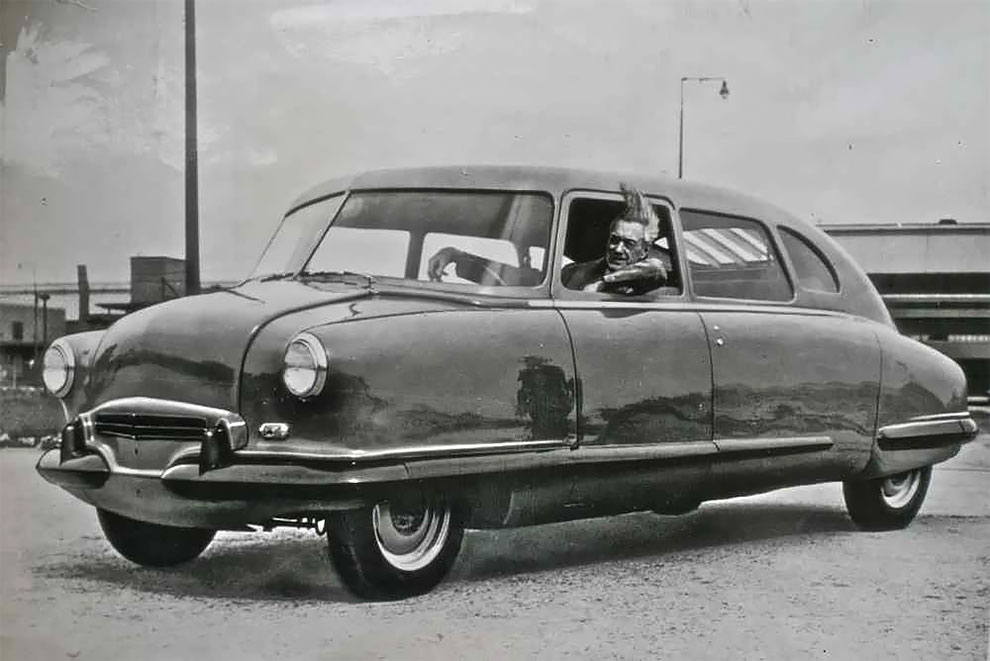
A final, updated version constructed in 1946, the Stout Scarab Experimental, utilized a fiberglass body shell—claimed to be the world’s first—and air suspension. That’s Bill Stout at the wheel. This car still exists today in the collection of the Detroit Historical Society:
If you want more awesome content, subscribe to Design You Trust Facebook page.

More Inspiring Stories

Spectacular Travel Photography Winners from the 2025 AAP Magazine Awards

These Illuminated Cylinders Display Fairy Tales When People Get Inside To Power Them

Artist Reshapes Walls And Spaces With Explosive Typographic Murals That Turn Buildings Into Giant, 3D Messages

Captivating Vintage Photos of Pneumatic Tube Messaging Systems

Max Factor's Beauty Calibrator: A Beauty-Measuring Mask Analyzes Facial Flaws For Makeup From The 1930s

Photographer Captures Abandoned Second World War Fortifications Slowly Being Reclaimed By Nature

These Hi-Tech Ballet Shoes Demonstrates The Physical Movement Of Dancers’ Feet

Syrian Artist Paints World Leaders As Refugees

What School Lunch Looks Like For Students Around The World

World is Not Just Red - The Mondrian Pepsi Can

Have A Look Inside The Magical Ice World Of The ICEHOTEL 365

HEXO+: A Flying Camera that Follows and Films You Autonomously

Blackout Tattoos Are A Bold New Trend Popping Up Around The World

Jaguar E-Type 1964 Discovered In A Dilapidated Garage

The Looking Back On Sony World Photography Awards

Spectacular Winning Photos from the National Geographic Traveller 2025 Competition

Louie Mattar’s Cadillac, the Car That Has Everything, 1952

Wonderful Photos Of The Sinister 1960 Cadillac Eldorado Cars

What the World Eats By Peter Menzel And Faith D'Aluisio

Stunning Magical Moving Miniatures and Intricate Kinetic Sculptures Of Penny Thomson

Beautiful and Surreal Still Life Paintings by Sung Hwa Kim

Before The Internet: Here's What A Publishing Company's Office Space Looked Like In The Mid-1980s

World Beard and Moustache Championships

Visual Artist Connor Gottfried Turns Old Game Boys, Walkmans And Circuit Boards Into Giant Playable Sculptures

Toilets Around the World

College Seniors Invent AI Helmet To Help The Visually Impaired See

"Welcome To The Mystically Beautiful World Of Your Nightmares": The Superb Digital Art By Stefan Koidl

The Sony World Photography Awards 2012: Student Focus Shortlist

This Instagram Account Reveals Scenes From Famous Movies With And Without Special Effects

Rare And Amazing Photographs From The First Australasian Antarctic Expedition Between 1911-14