The 18th-Century Midwife Who Created a Life-Size Fabric Womb to Help Make Childbirth Safer
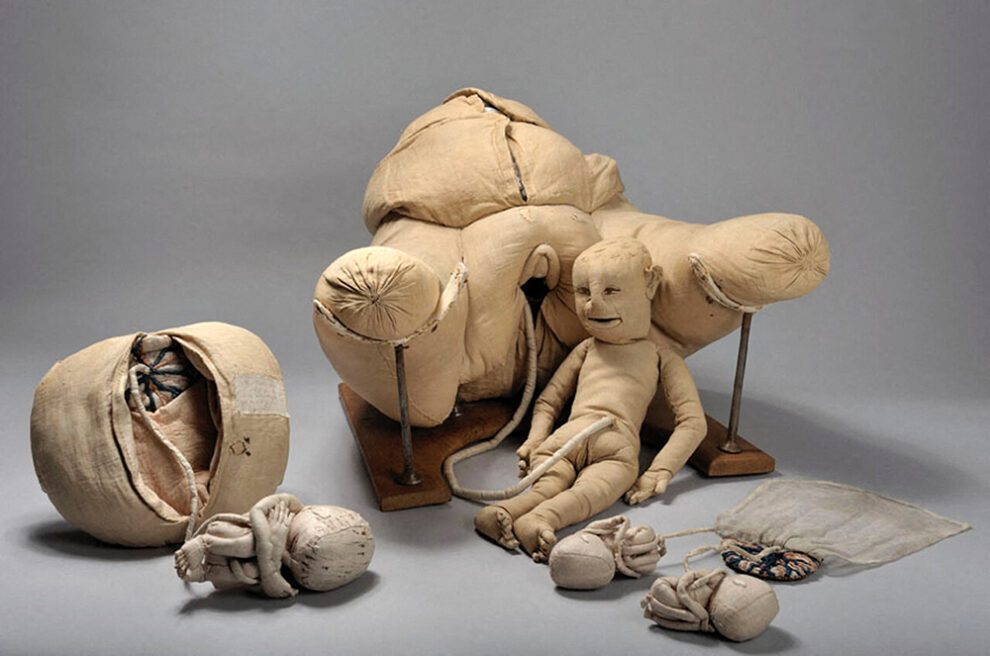
In 18th-century Europe, childbirth was often dangerous for both mother and baby, especially in rural communities with little access to skilled care. Angélique Marguerite Le Boursier du Coudray, a French midwife born in 1712, set out to change that.
h/t: vintag.es
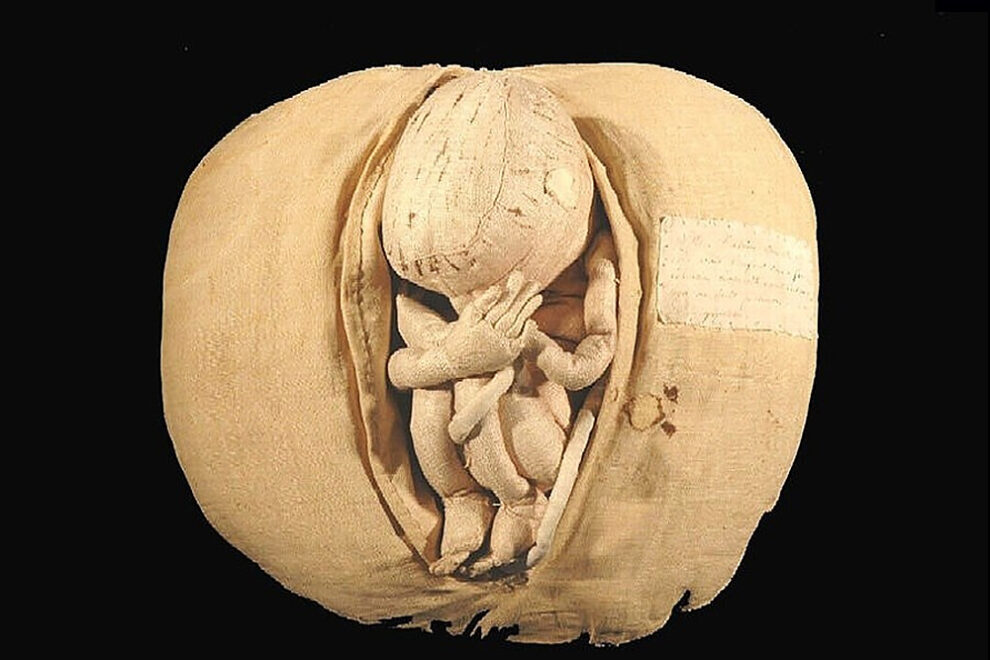
At a time when women had few opportunities for formal education, du Coudray became one of France’s most respected midwives. Rather than keeping her expertise within private practice, she focused on teaching others the practical knowledge needed to make childbirth safer.
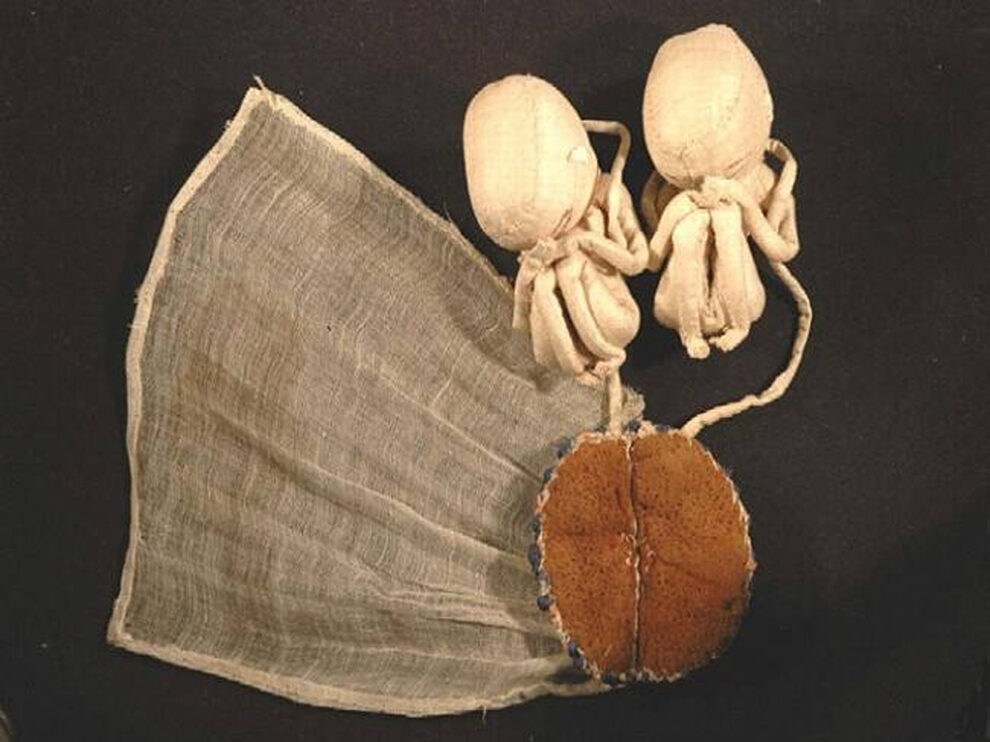
With the support of King Louis XV, she began traveling across France in 1759 to train rural midwives and surgeons. For more than two decades, she taught through lectures and hands-on demonstrations, reaching communities where medical instruction was otherwise unavailable.
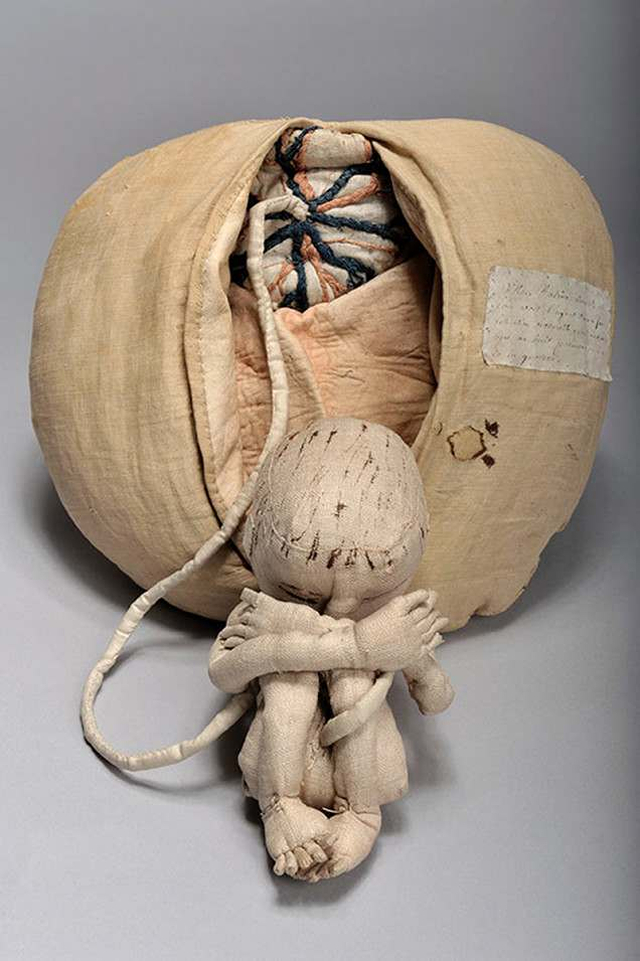
Her most remarkable teaching tool was a life-sized birthing mannequin made from fabric and leather. The model allowed students to rehearse delivery techniques safely and realistically before assisting real patients — an early and extraordinary example of simulation-based medical training.
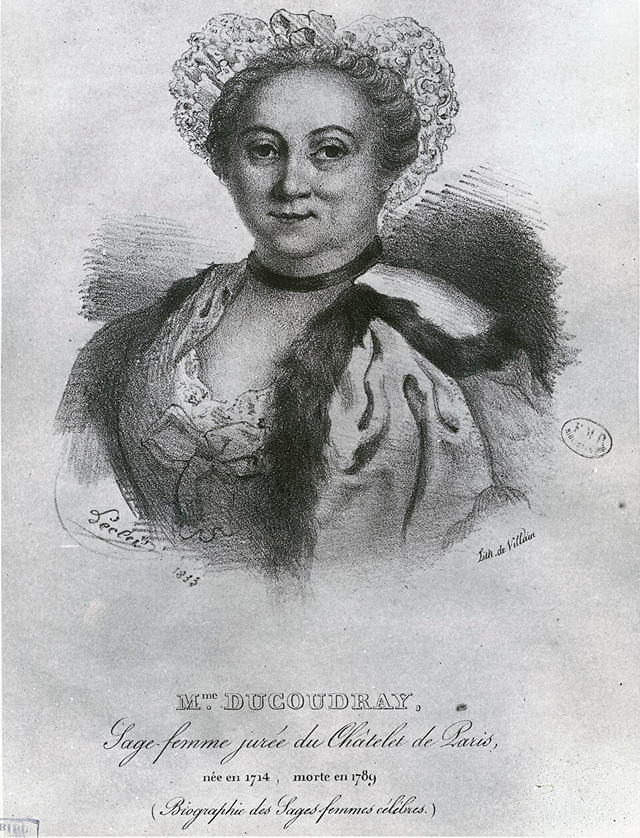
Du Coudray’s work helped improve maternal and infant care throughout France, while her 1773 guide, Abrégé de l’Art des Accouchements, became an important reference for generations of midwives. Though her name is not widely remembered today, she was a pioneering educator whose empathy, ingenuity, and commitment to women’s health transformed the way childbirth was taught.