In The Victorian Era, These Strange Mortsafes Were Contraptions Designed To Protect Graves From Disturbance
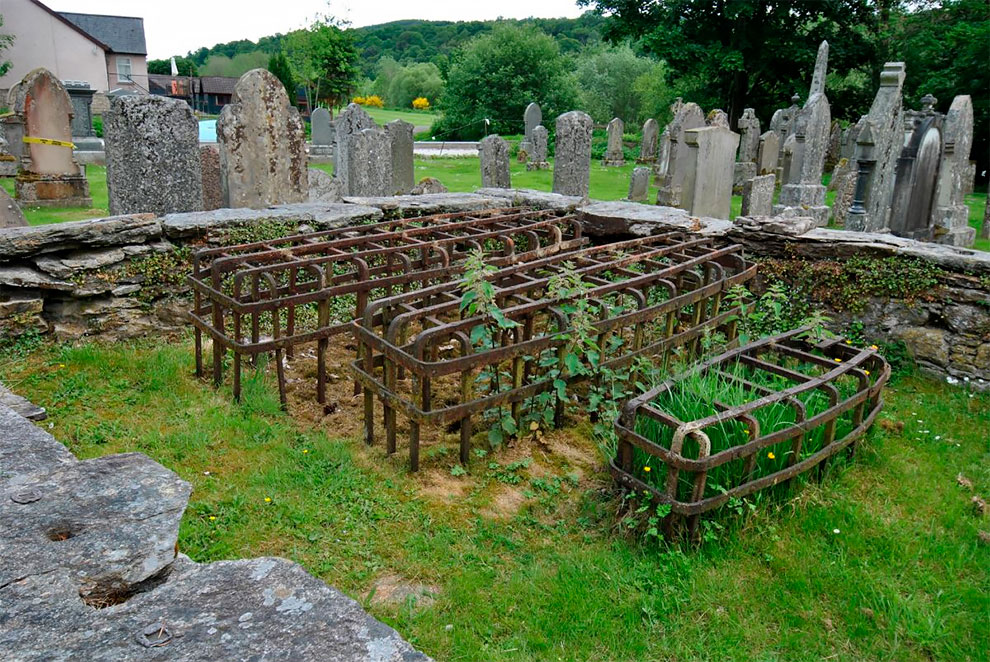
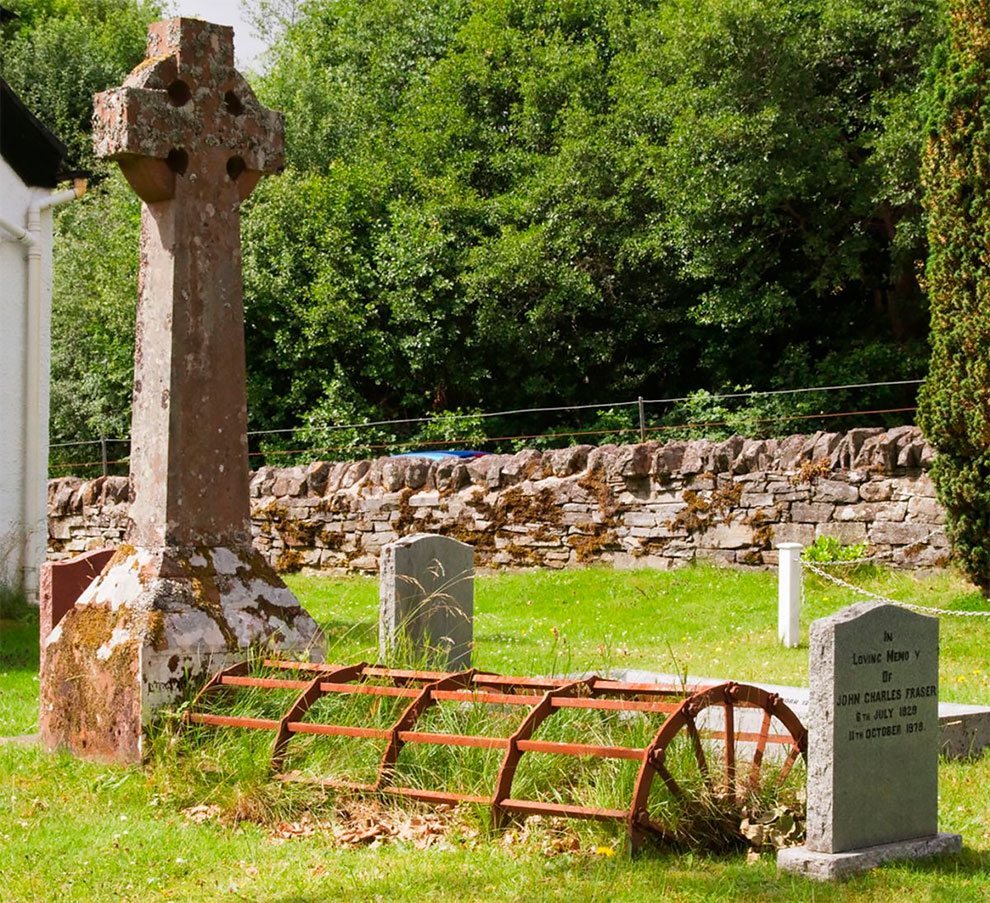
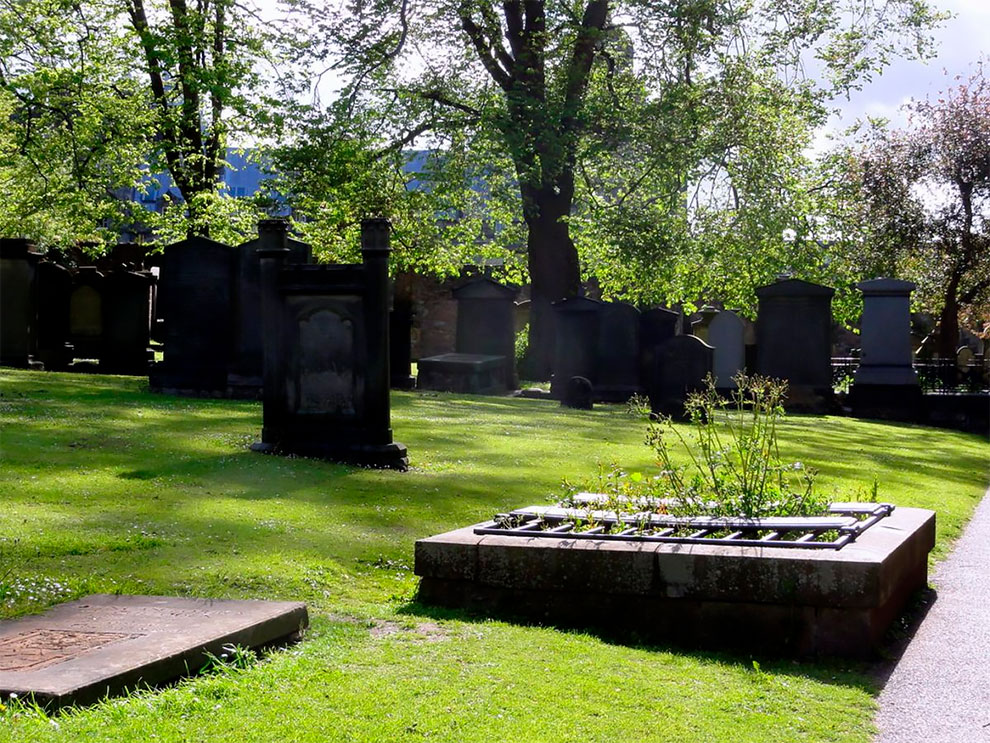
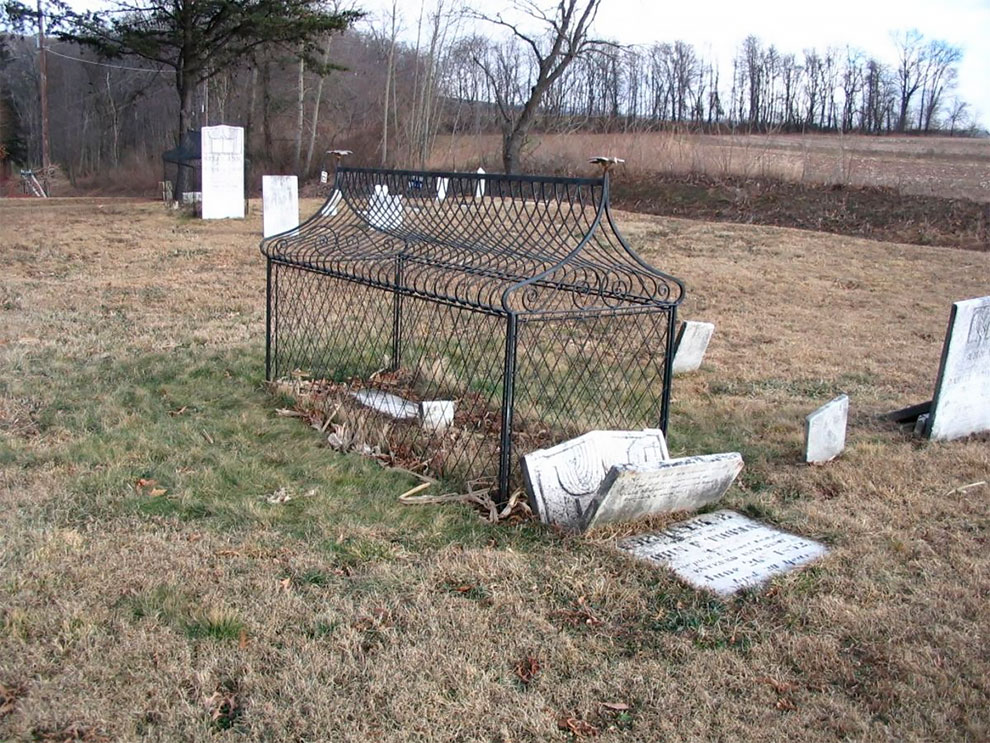
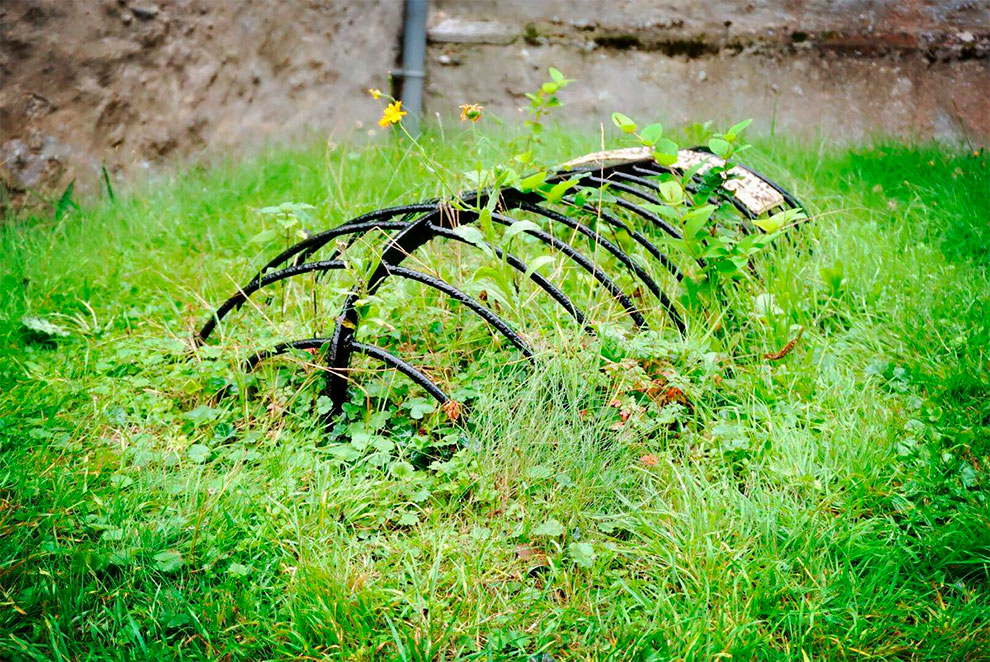
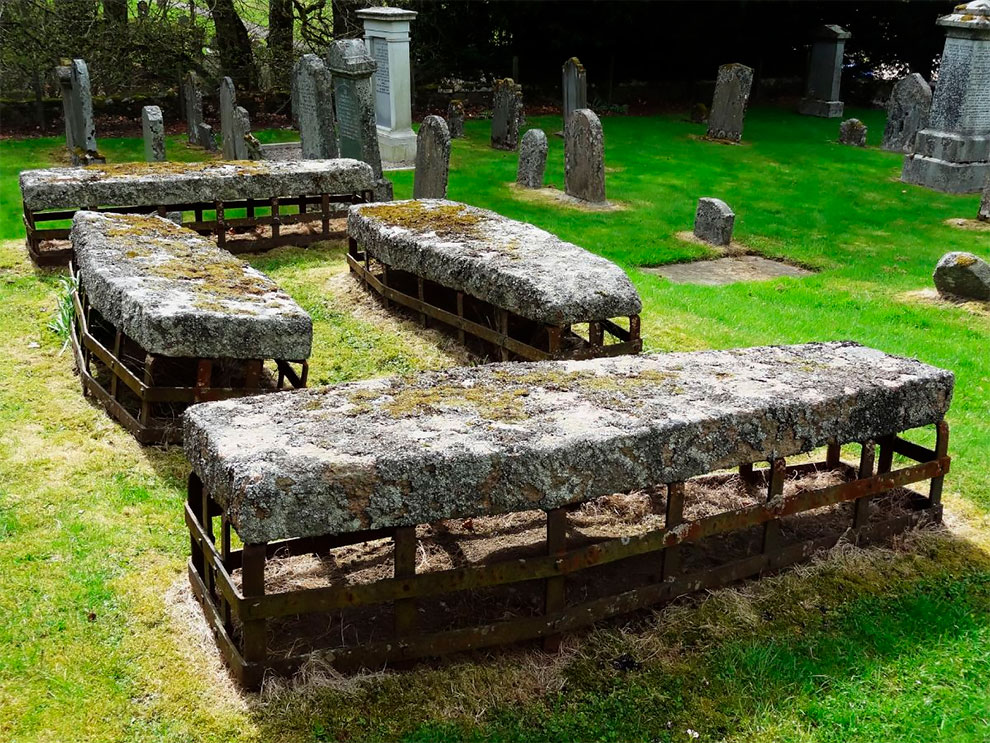
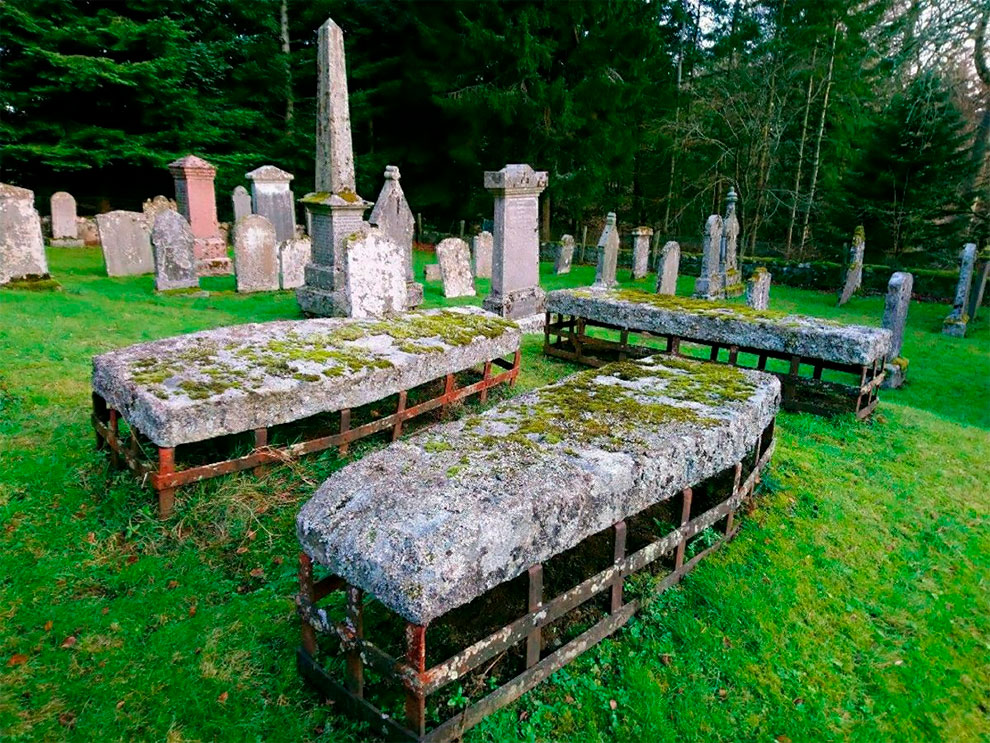
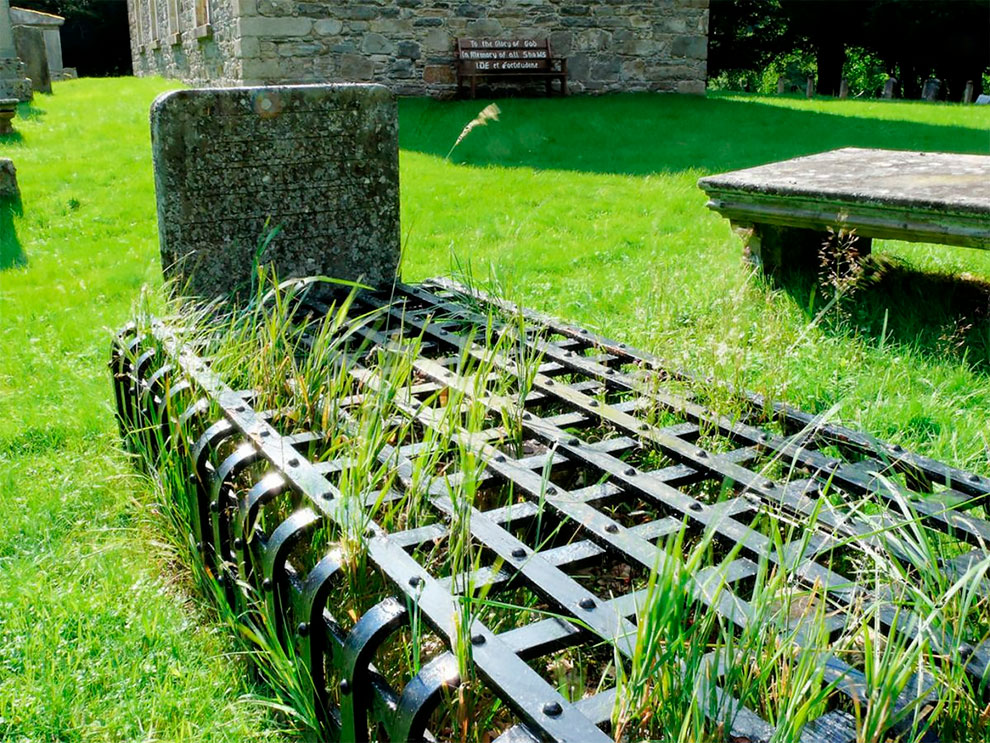
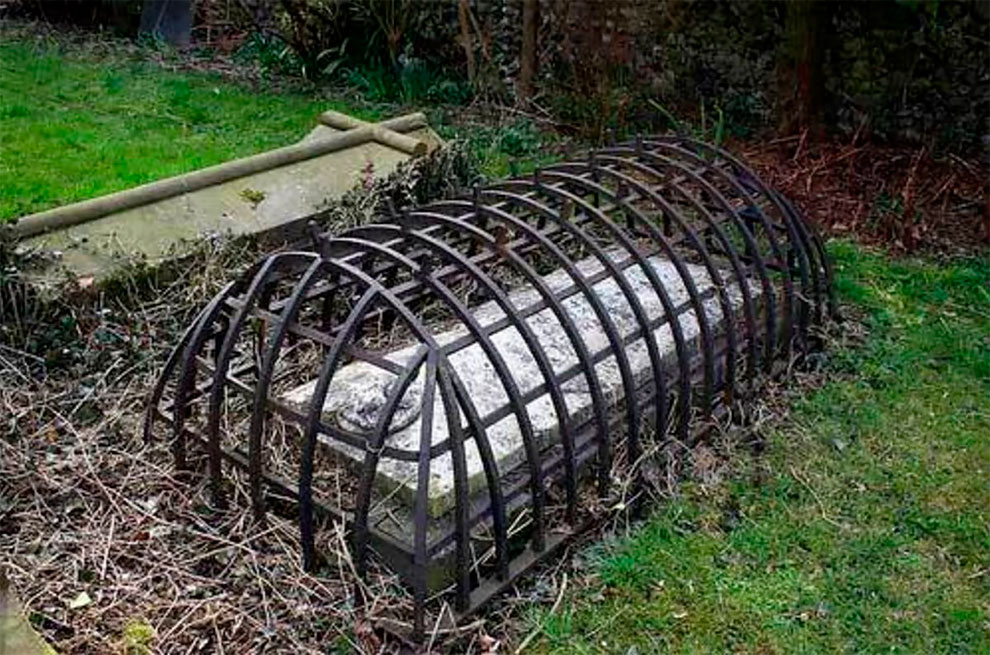
In early 19th century, grave robbing became a growing concern, especially in Scotland, as robbers used to steal the dead bodies and supply the corpses to medical students, for dissection studies. This is how the idea of contraption cages over graves came up – to protect the dead bodies from being stolen.

h/t: vintag.es
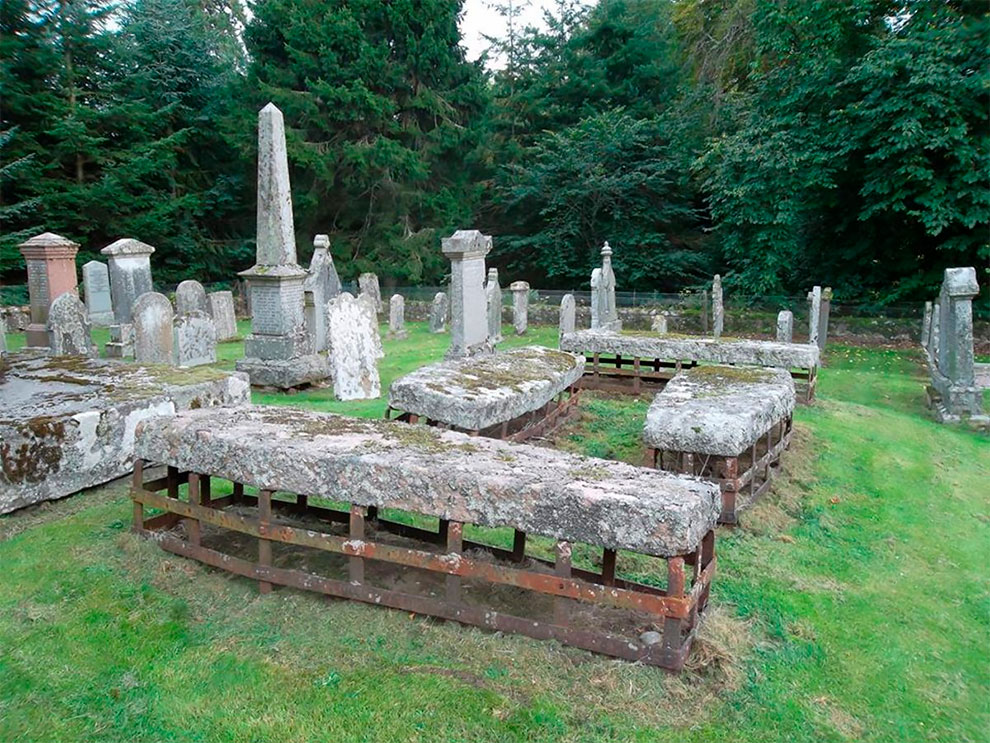
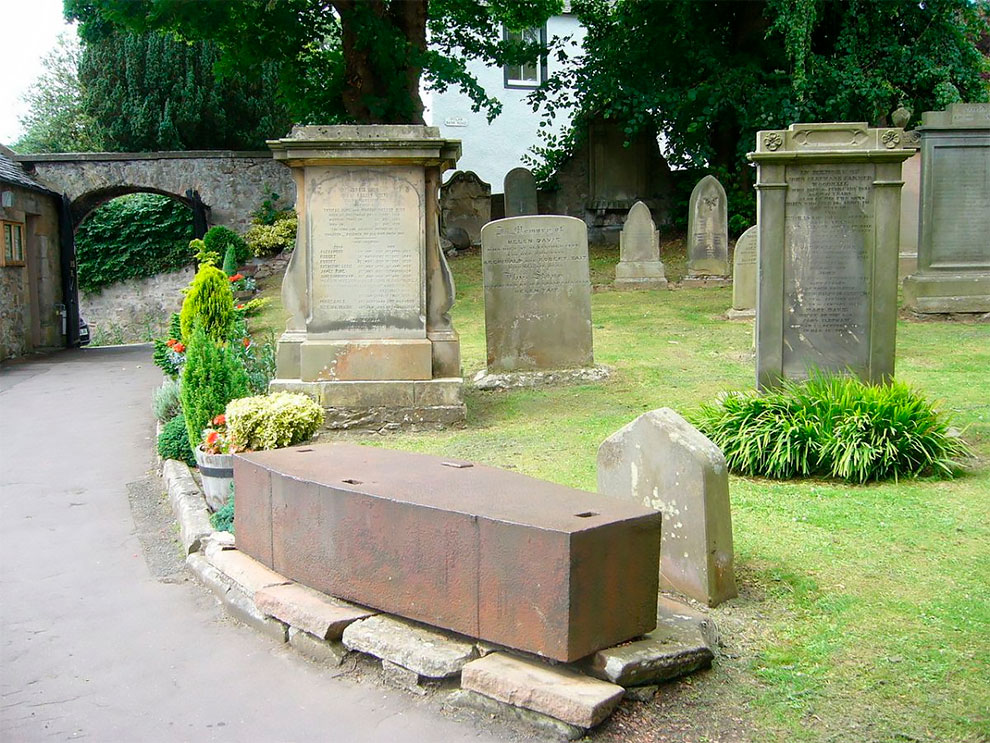
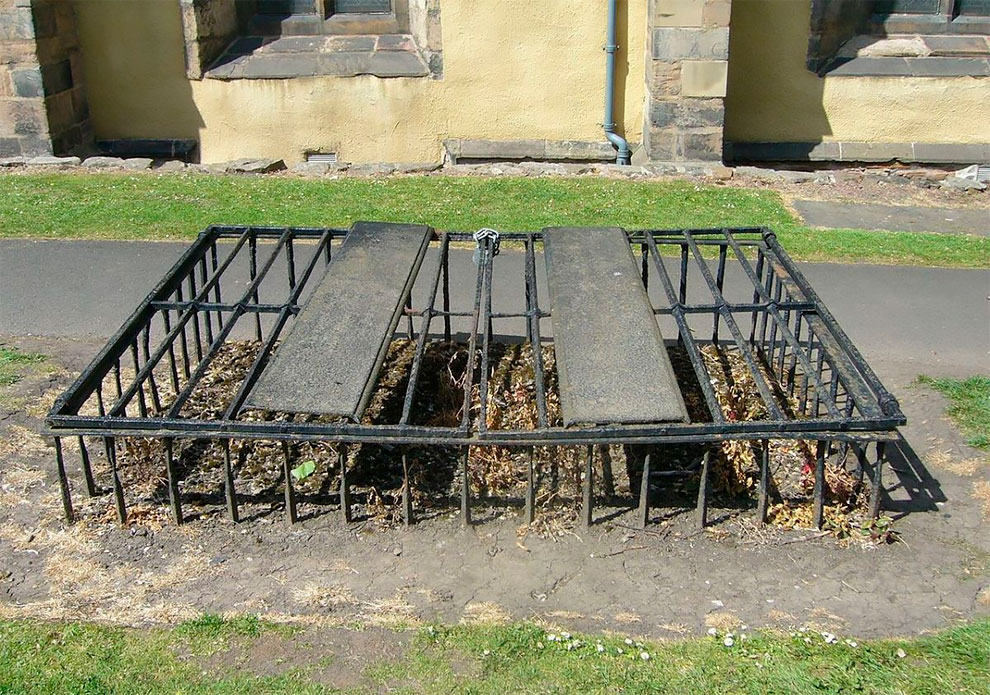
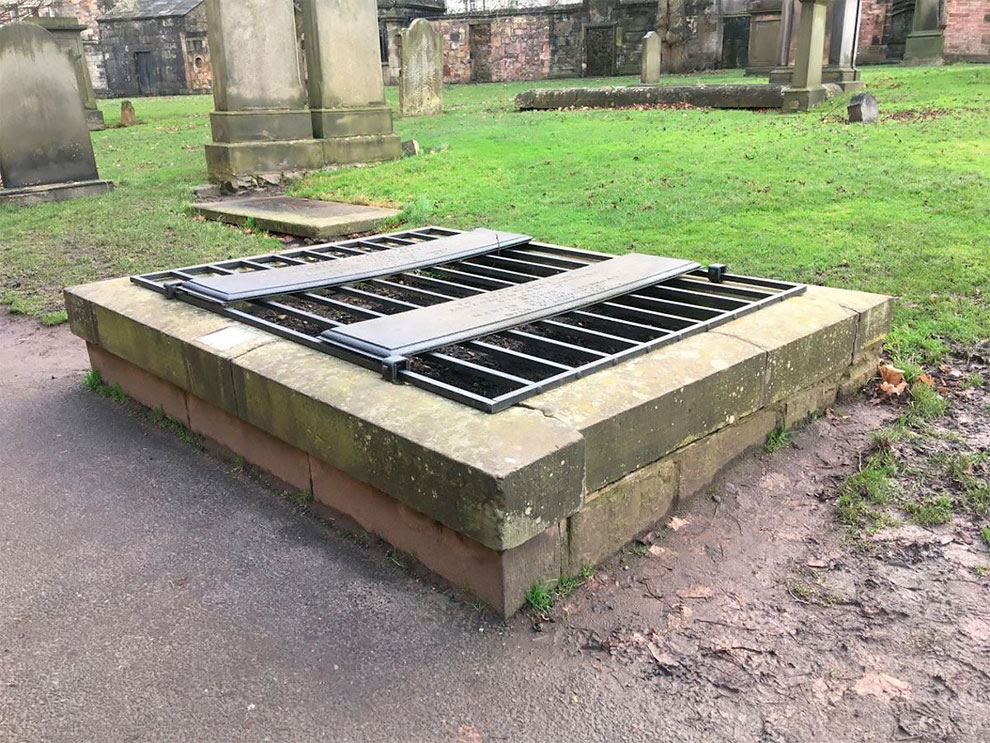
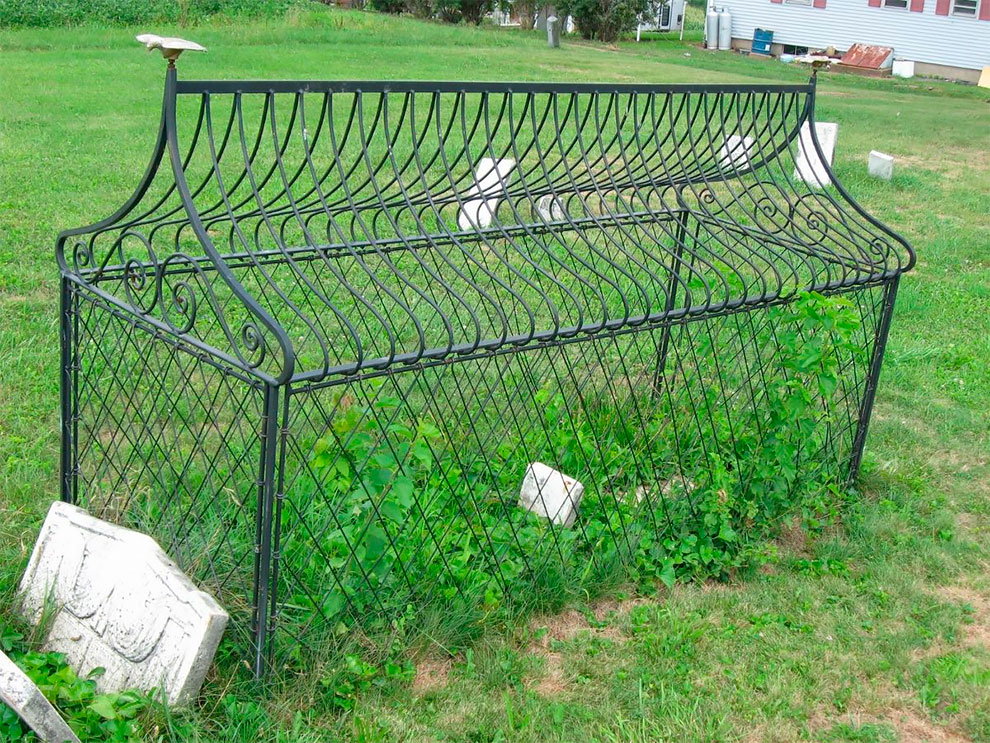
Many people were determined to protect the graves of newly deceased friends and relatives. The rich could afford heavy table tombstones, vaults, mausolea and iron cages around graves. The poor began to place flowers and pebbles on graves to detect disturbances.
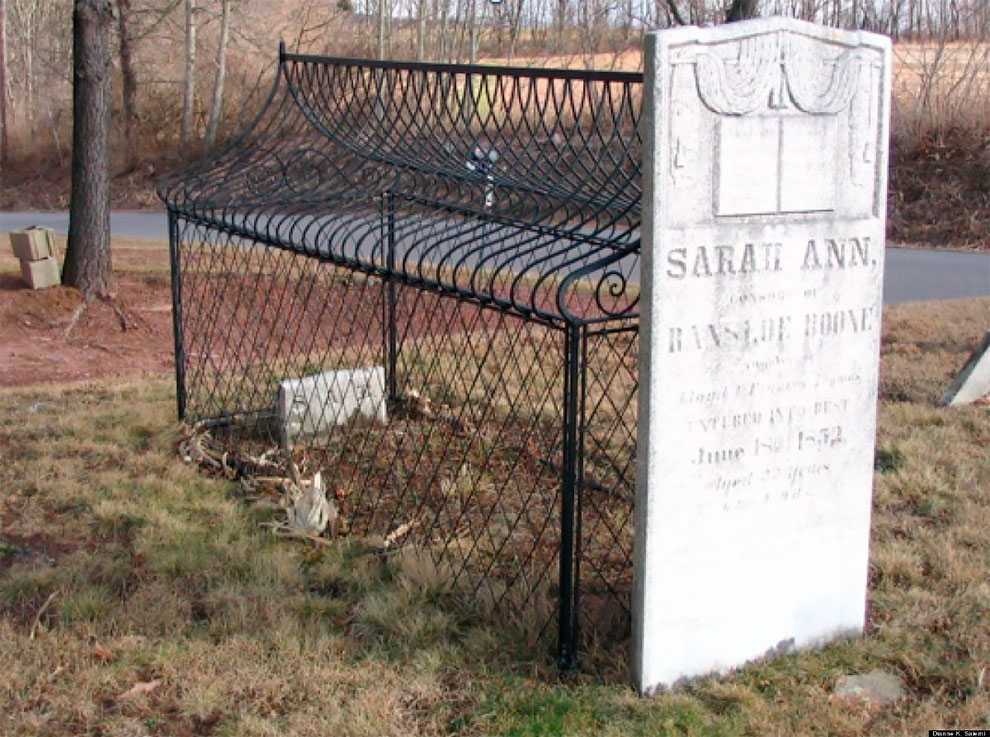
They dug heather and branches into the soil to make disinterment more difficult. Large stones, often coffin-shaped, sometimes the gift of a wealthy man to the parish, were placed over new graves. Friends and relatives took turns or hired men to watch graves through the hours of darkness.
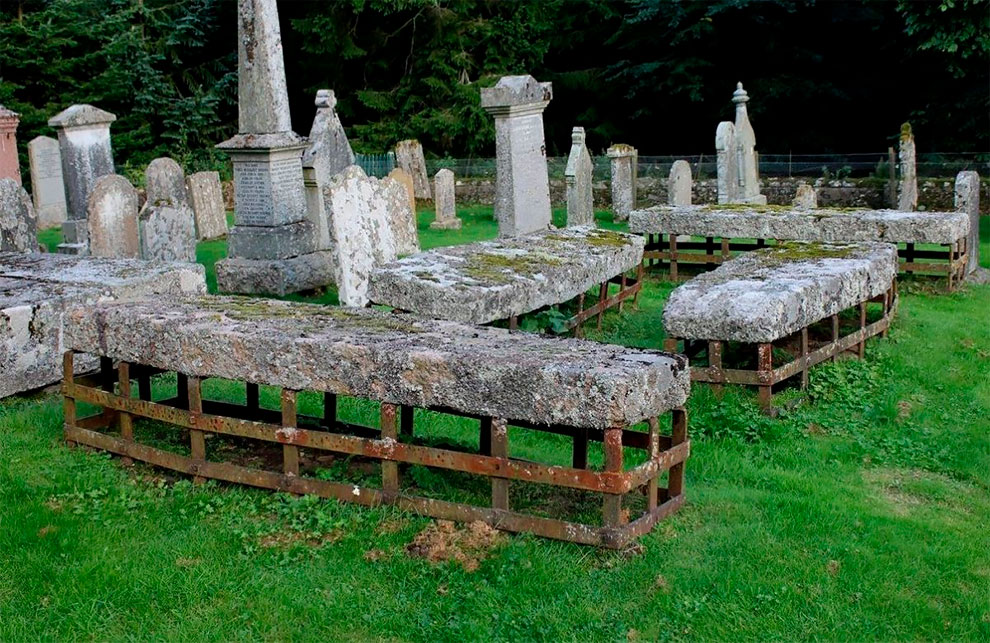
Watch-houses were sometimes erected to shelter the watchers. One watch-house in Edinburgh is a three-storey castellated building with windows. Watching societies were often formed in towns, one in Glasgow having 2,000 members. Many kirk session houses were used by watchers, but graves were still violated.
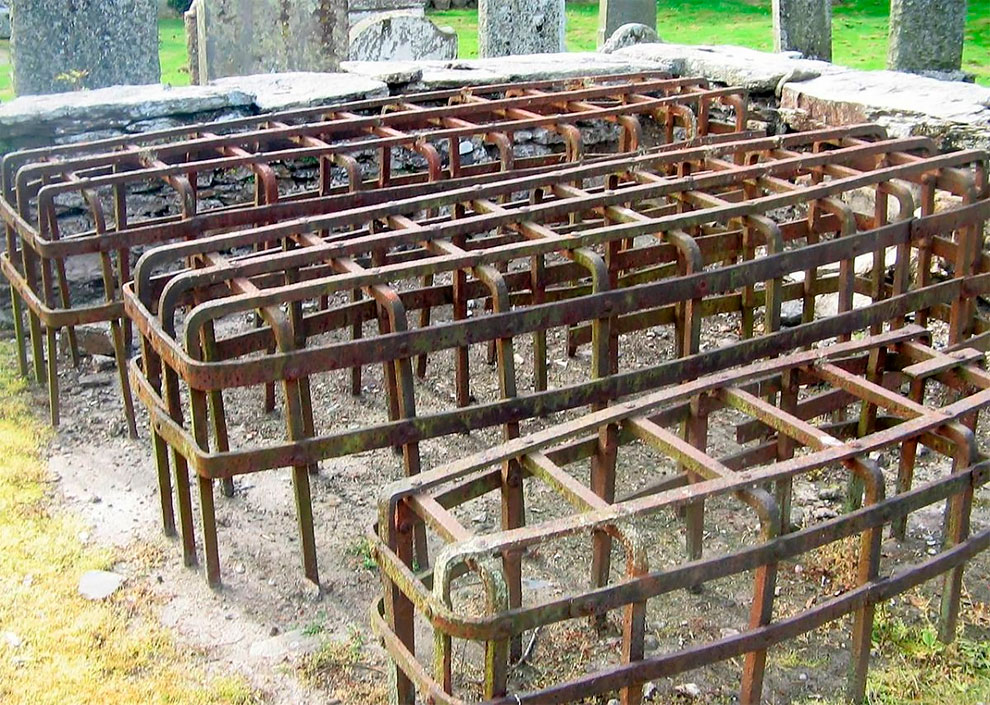
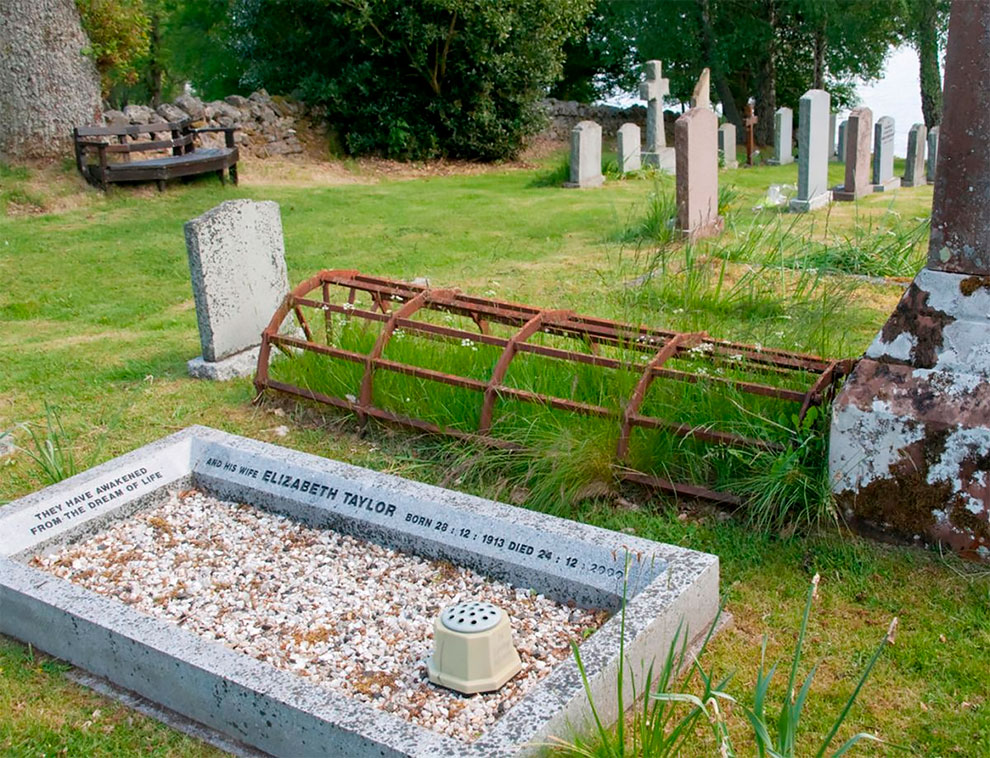
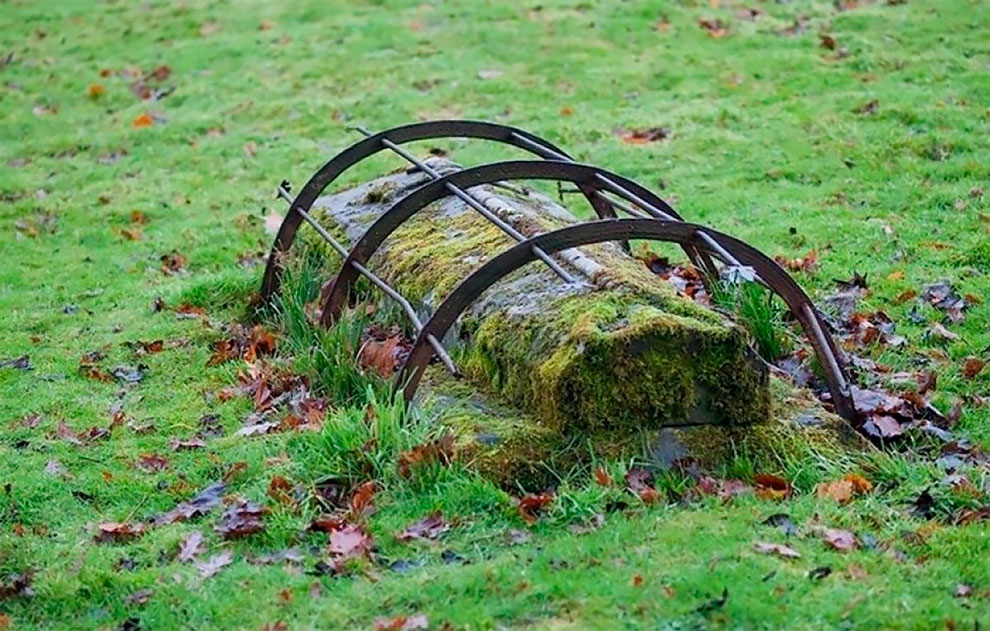
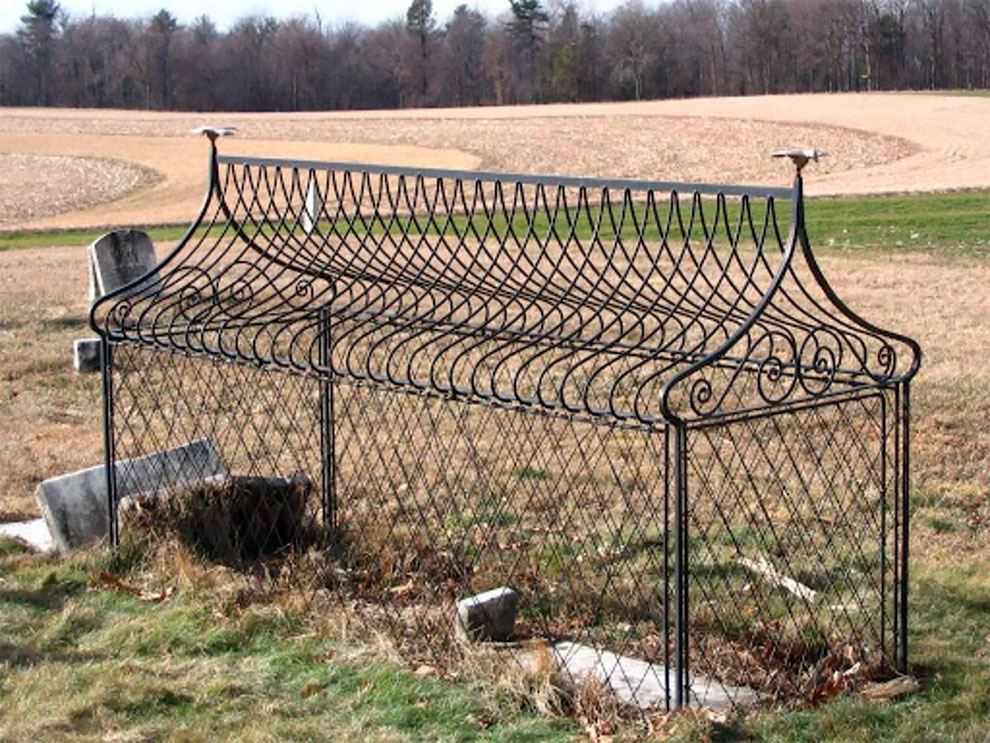
These mortsafes were either cages or grills placed over the graves of newly deceased people during the 19th century, and were made of varying materials, typically from iron or stone. It’s a common myth that these cages were built to keep the undead from rising, but that’s not true. The cages were built to keep out, not in.
If you want more awesome content, subscribe to Design You Trust Facebook page.

More Inspiring Stories

Pastry Artist Bakes More ‘Pie Art’ With New Intricate And Artistic Design

The Colorful Bedroom Inside The House In Denmark Is Made Entirely Of LEGO

Artist Brings Ceramics To Life

Sophie Prestigiacomo’s 'Homo Algus' Invites Swamp Creatures Out Of The Wild

Clémentine Bal's Imaginary Creatures: A Fusion of Japanese and Natural Influences

Amazing Japanese Cardboard Artist Transforms Old Boxes Into Tanks, Gundams, Space Ships, And More!

Artist Sculpted Giant Hay Bales Characters To Celebrate Fall And Halloween

When Home Improvement Projects Become Home Implosion Projects

The Moscow Girl Turned Her Small Flat Into A Baroque Palace

A Slightly Kinder Teacup⁣⁣: A Simple Idea That Works

This Girl Makes A Pop-Culture-Inspired Pies That Would Be A Sin To Cut

Hans Jörgen Johansen Creates Fictional Landscapes Imbued With Eeriness

An Artist's Grocery List Becomes A Giant Monument In Central Park

A Nice Find! A 1967 Porsche 911S Barn Find

Monday Commuters Delighted by London Bridge's Transformation into Rainbow Brick Road

Daniel Widrig Uses 3D Printing and Robotics to Create Objects That Feel Less Like Machines and More Like Strange Living Organisms

Creepy & Crawly Plush Sculptures by Hine Mizushima

Russian Duo Makes Amazing Magic Rolling Pins for A Beautiful Cookies

Foreboding Creature Tattoos Are Modern Brothers Grimm

Another Young Makeup Artist With Mad Skills

This Man Has a Damn Creepy Collection of Anatomical Exhibits

The Delicate and Colorful Paper Tranformations by Helen Musselwhite

The Traditional Rwandan Hairstyle: The Most Unique And Creative Hairstyle From The 1920

Pantone Have Announced Their Two Colours Of The Year For 2016

Sleek Vertical Planters Let You Grow an Elegant Garden Indoors

Cosplayer's Clever Darth Bender Costume At Dragon Con

Polish Artist Turned Local Tram Station Into Floral Museum

A Designer Assembled a Hundred Covers of Famous Music Albums from LEGO

Galaxy Inspired Ceramics That Allow You To Drink From The Stars

Stunning Magical Moving Miniatures and Intricate Kinetic Sculptures Of Penny Thomson