Portrait of High-Class Yomut Women From Krasnovodsk, Turkmenistan Wearing Kasaba, 1883
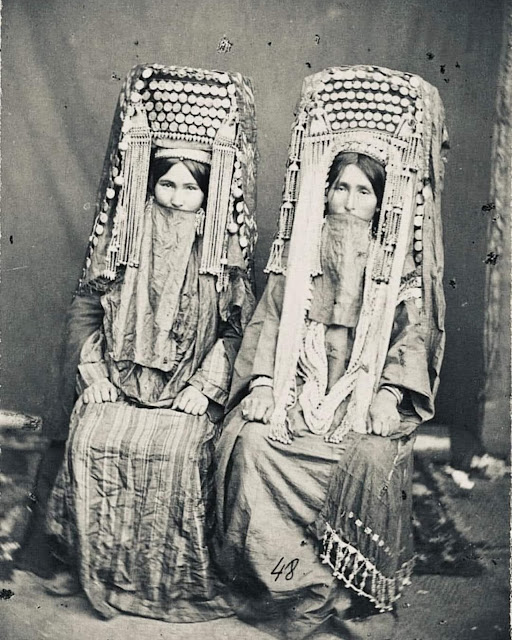
In 1883, Yomut women from Krasnovodsk—today called Türkmenbaşy in Turkmenistan—were photographed wearing the Kasaba, a remarkable cylindrical headpiece. Tall and ornate, the Kasaba immediately stood out with its intricate craftsmanship, serving not only as adornment but as a marker of social standing, wealth, and marital status.
h/t: vintag.es
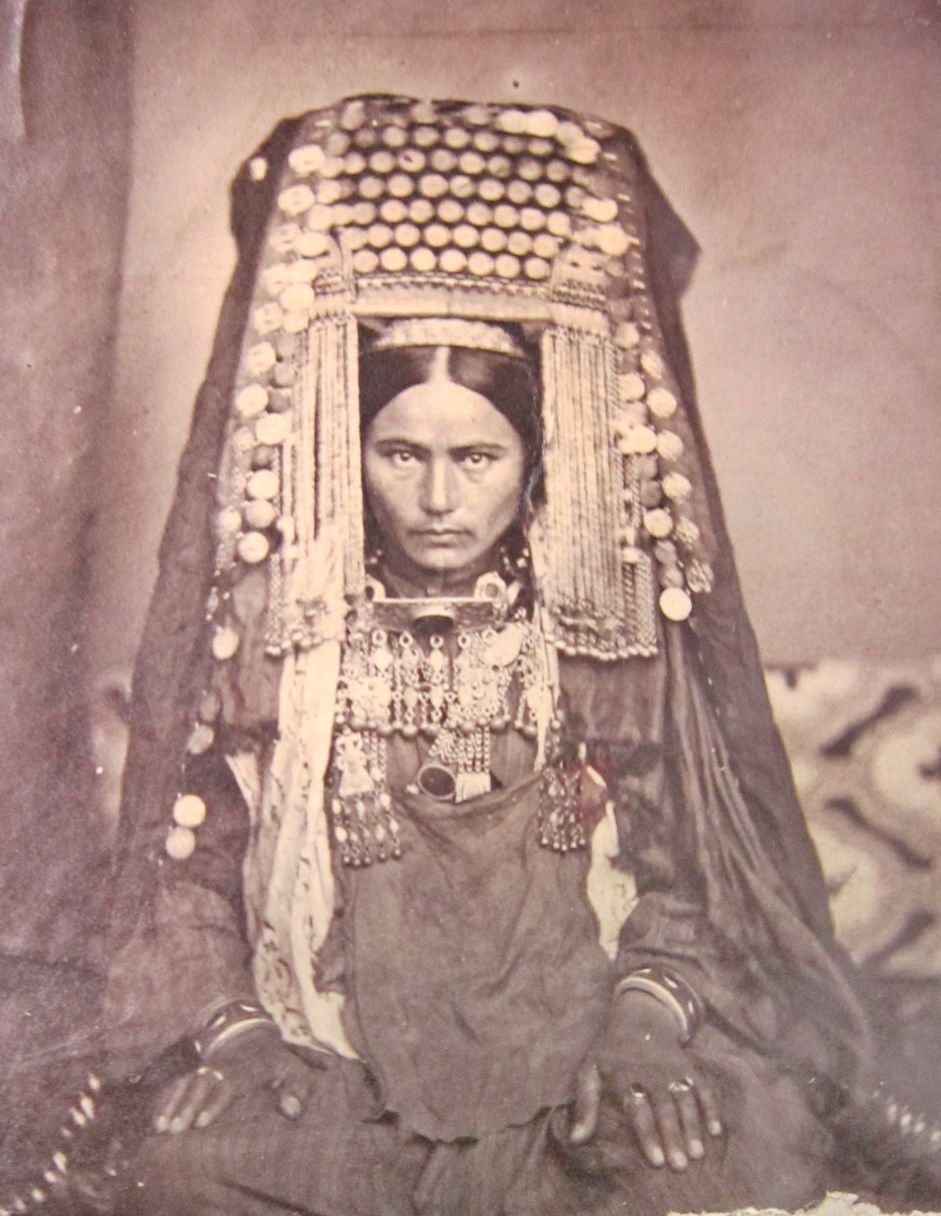
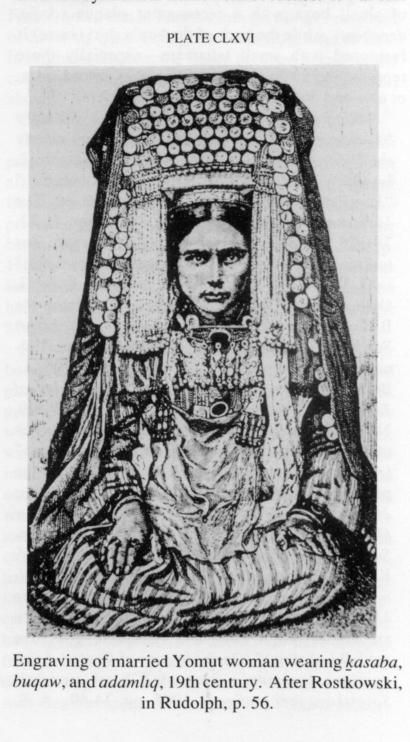
Decorated with silver ornaments, carnelian, turquoise, and fine embroidery, each detail carried symbolic meaning, linking personal prosperity with the tribe’s cultural heritage. More than decoration, the Kasaba expressed identity and pride, embodying traditions passed down through generations of Turkmen women.
The Yomut are among the major Turkmen tribes, historically divided into western (Shagadam) and northern (Dashhowuz) groups. Many Yomuts live in Iran’s Turkmen regions, with smaller communities in Afghanistan and Karakalpakstan.
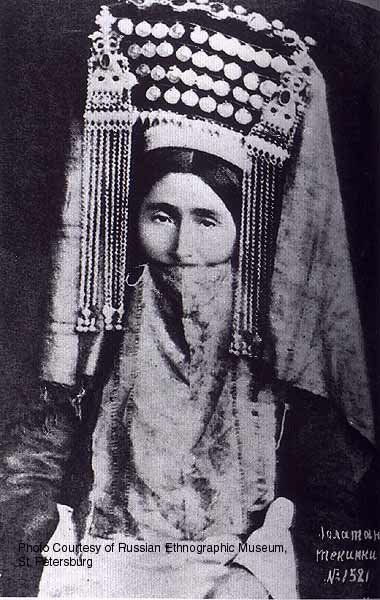
Though the name Yomut is ancient, the tribe itself seems to have taken shape as a formal entity only in the late Middle Ages, following the Mongol invasions. Earlier sources, such as Abylgazy’s Genealogy of the Turkmens (16th century), mention Yomut not as a tribe but as a lineage, tracing descent from Ögürjik Alp, grandson of Salyr Ghazan.