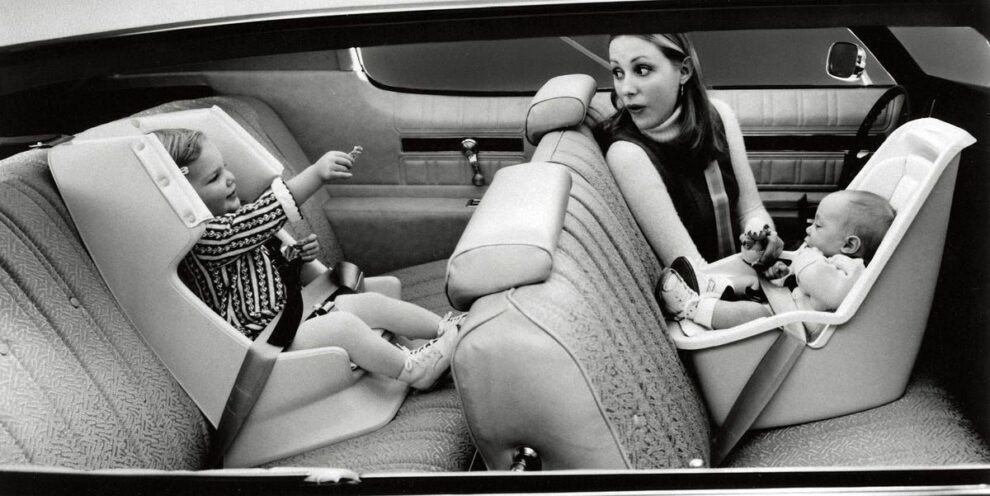
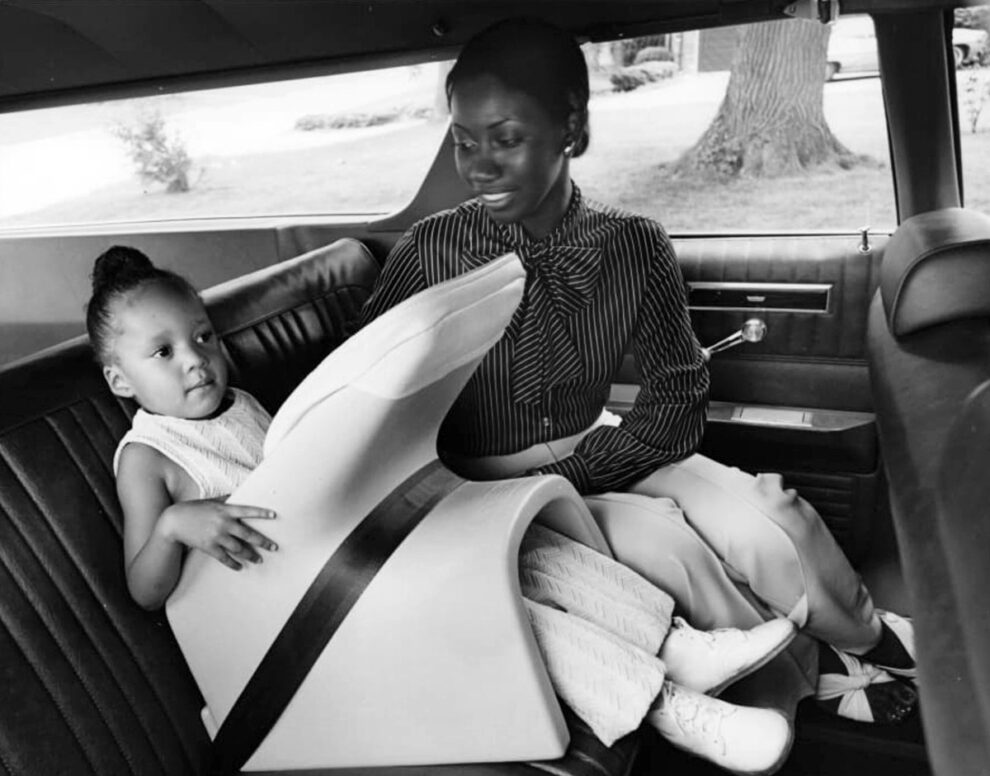
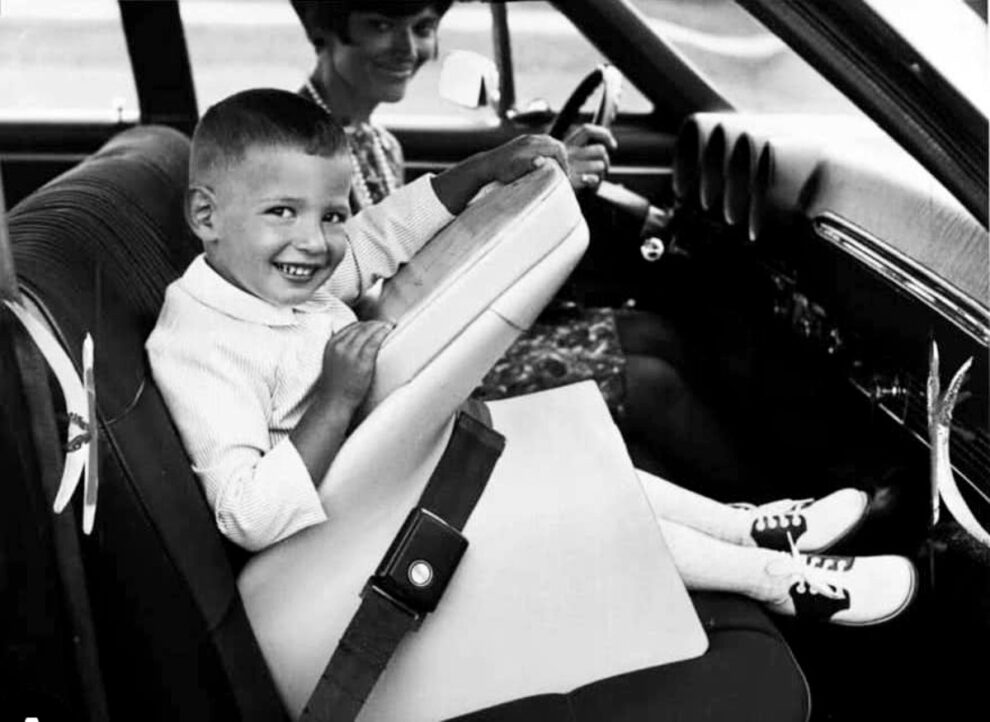
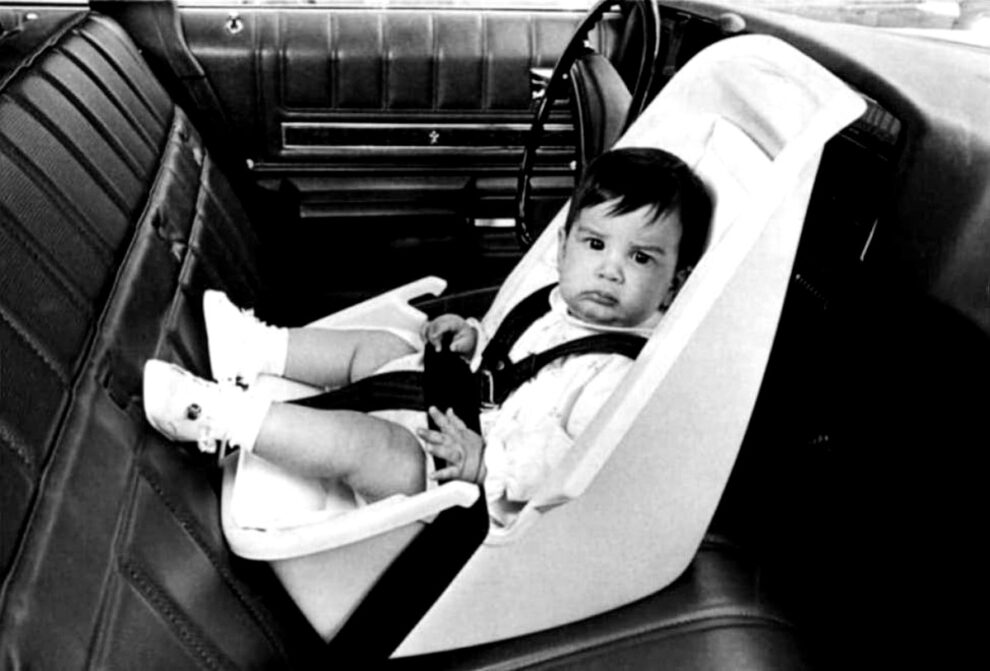
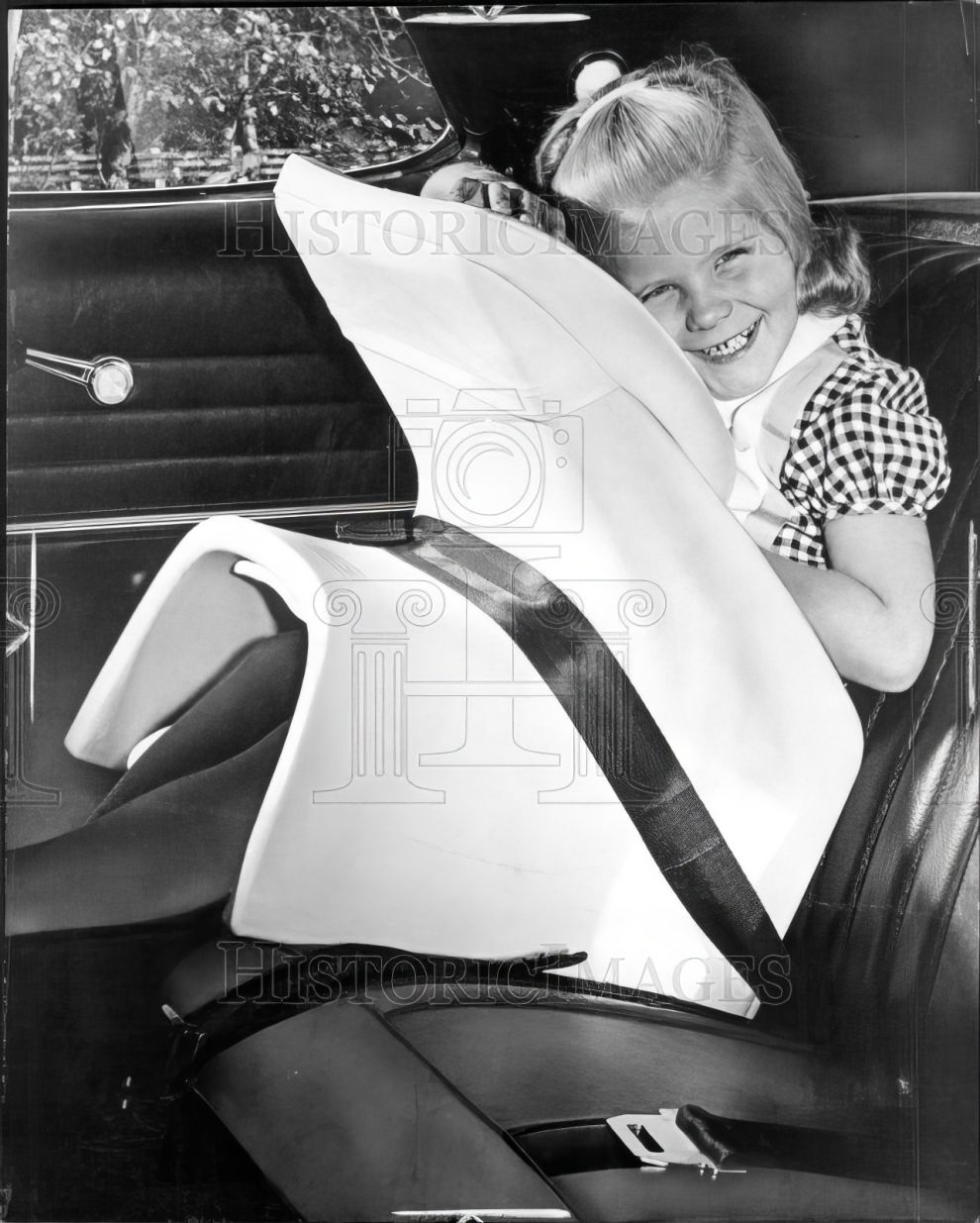
“Tot-Guard” Child Safety Car Seat Made by the Ford Motor Company
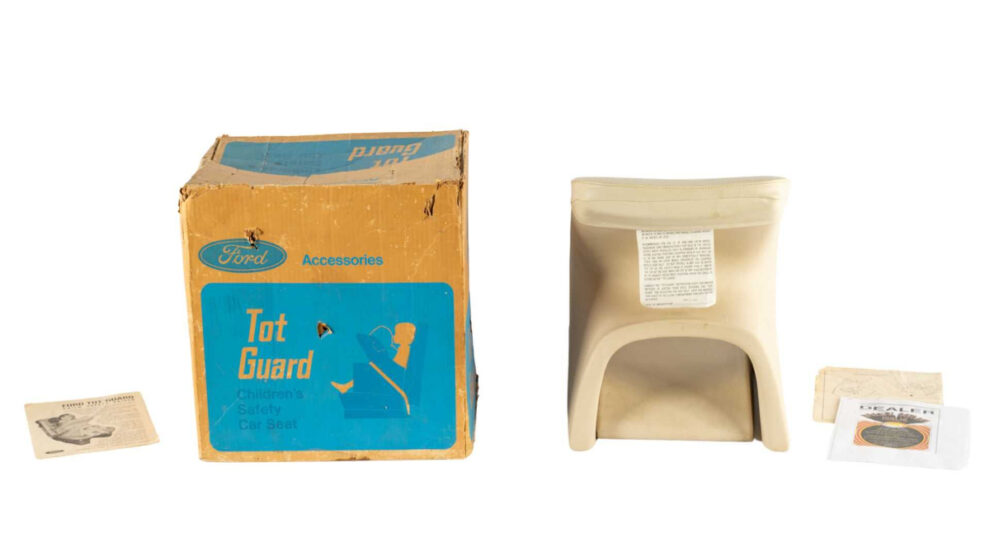
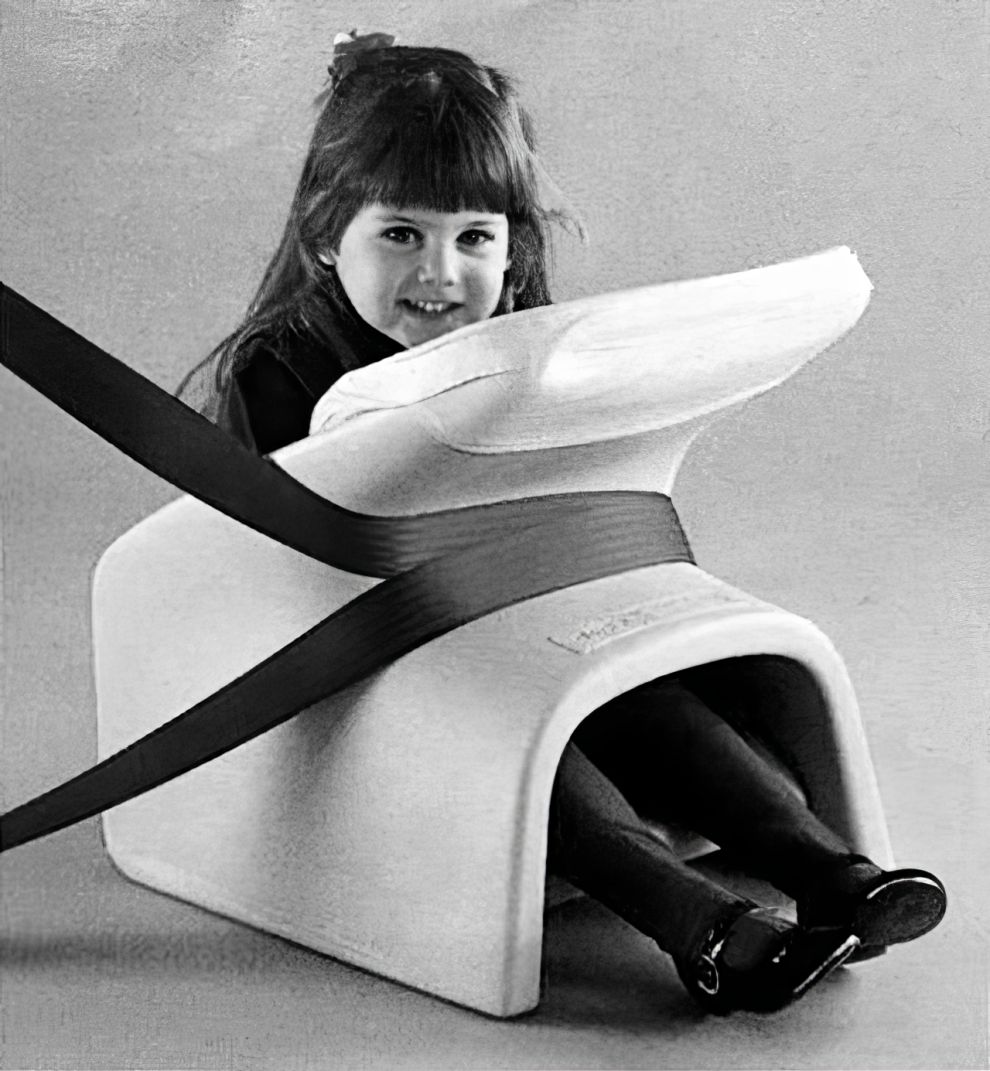
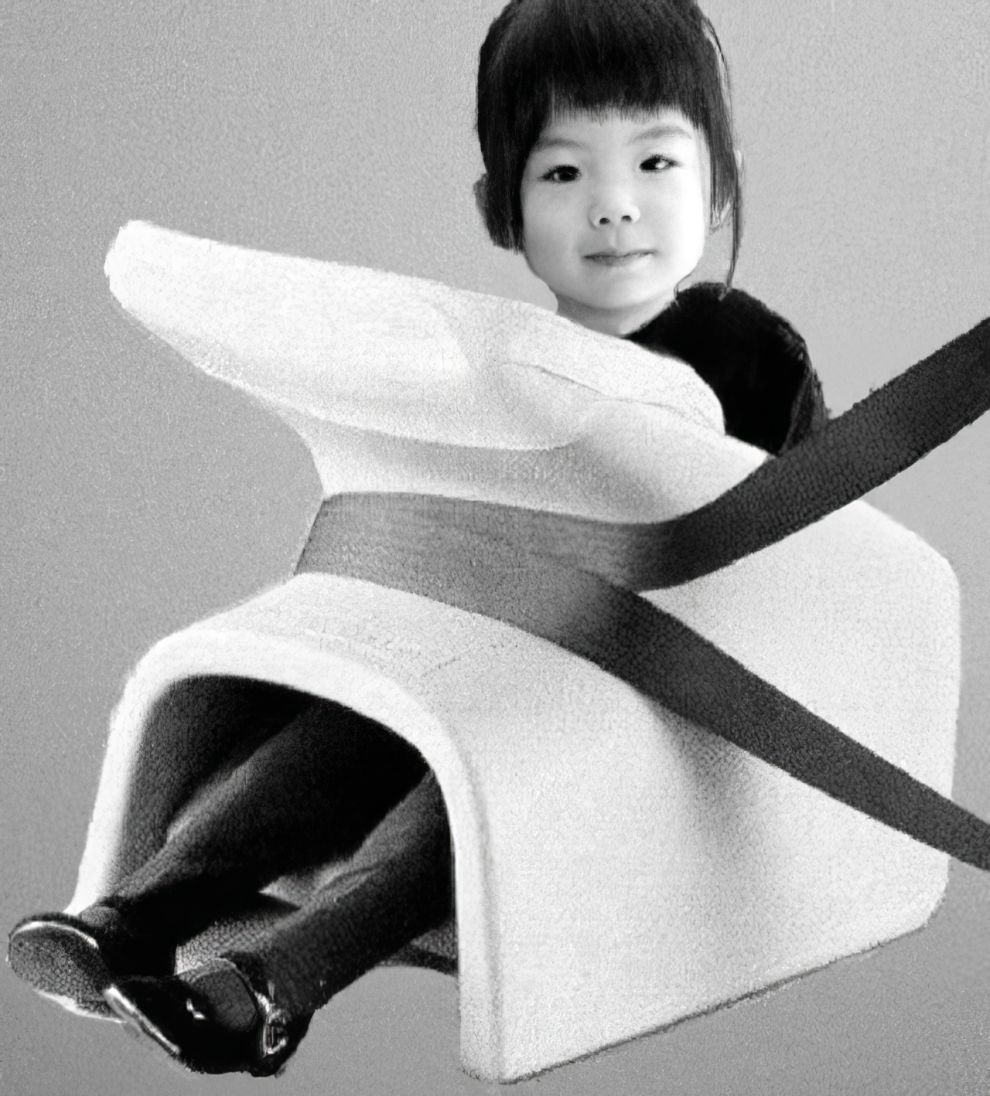
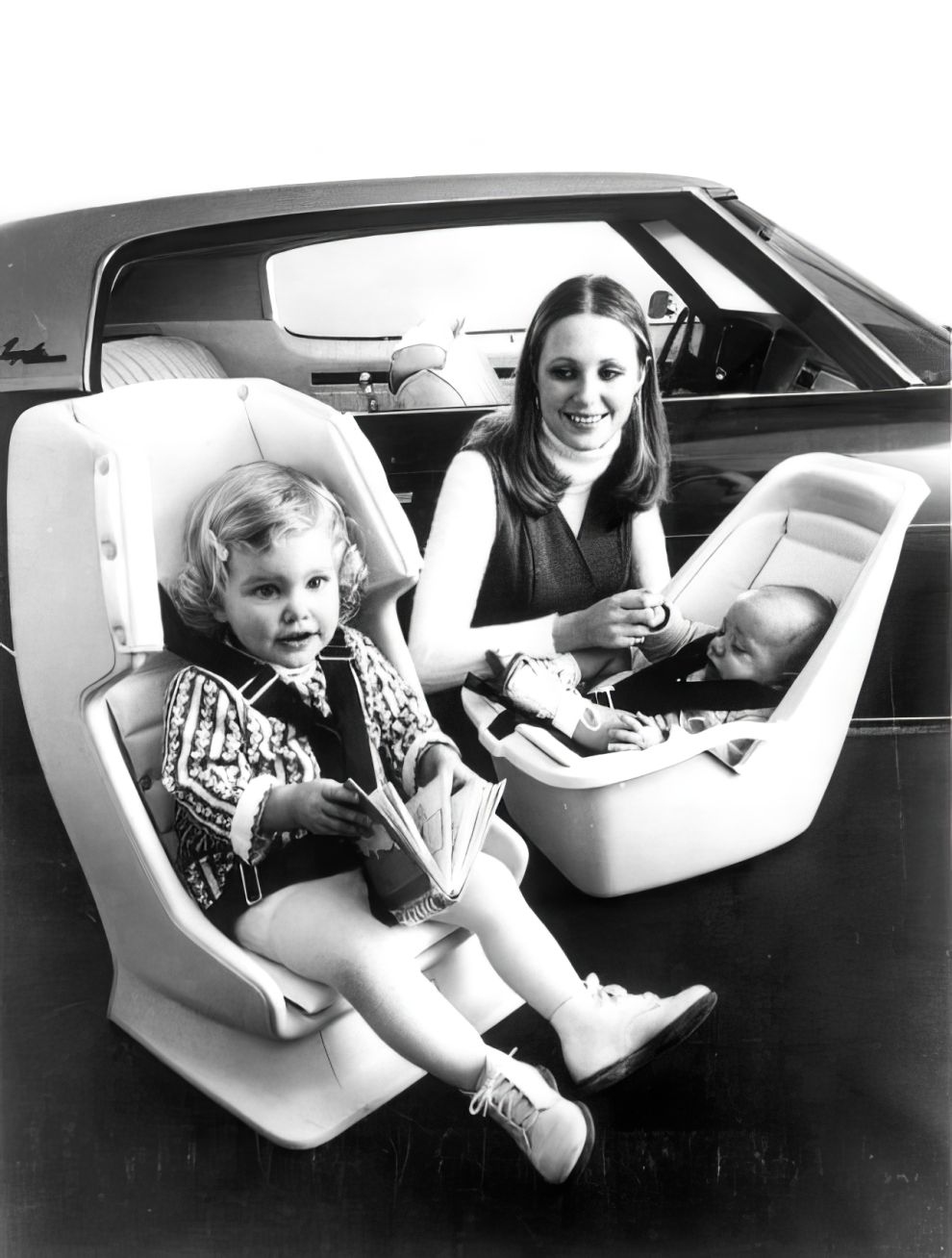
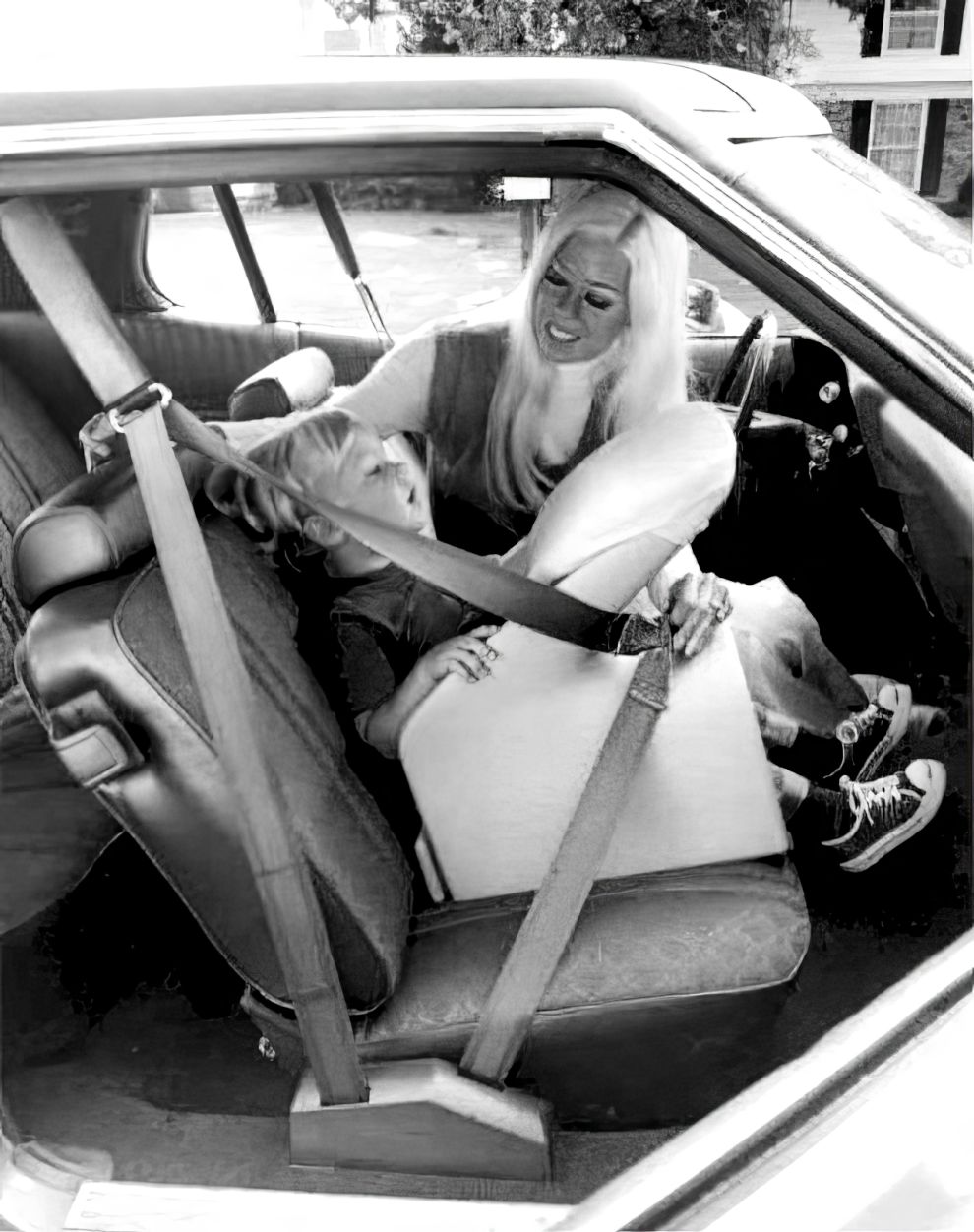
The system was built from three primary components: a molded seat base, a large protective body shield, and a detachable foam insert that fit inside the shield. It functioned exclusively as a forward‑facing car seat.
Ford engineers reportedly tested the seat extensively with their own children, noting that kids could ride comfortably for up to four hours. Despite its novelty, the design did not gain widespread use at first.
h/t: vintag.es
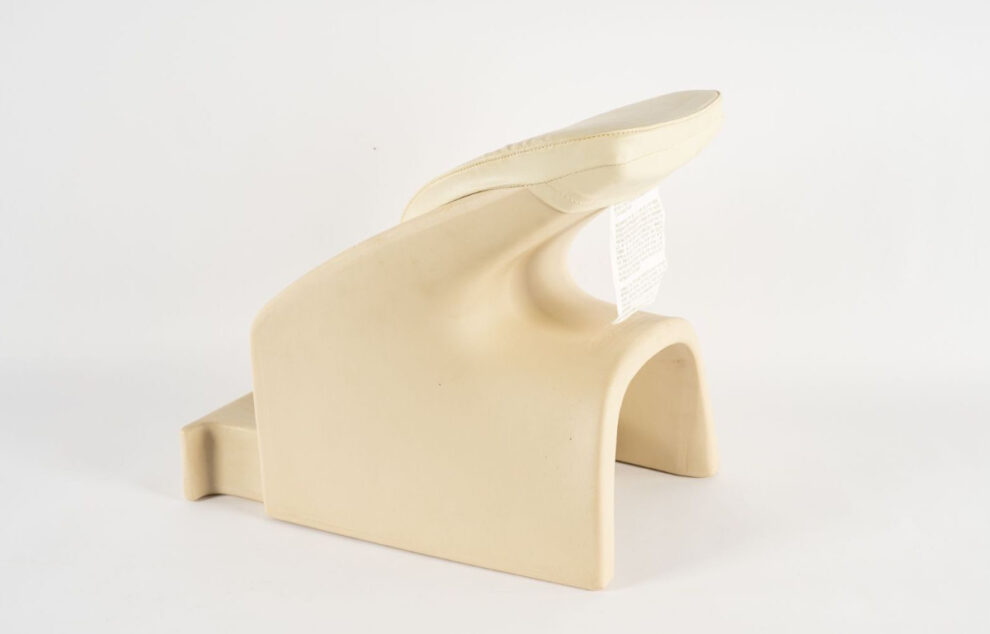
Broad public awareness and later government requirements for child restraints were essential before car seats became common. The Tot‑Guard was created under the far less rigorous safety expectations of the late 1960s and early 1970s, well before modern federal standards took effect. By contemporary safety criteria, its bulky structure, limited cushioning, and dependence on a simple lap belt make it highly unsafe.
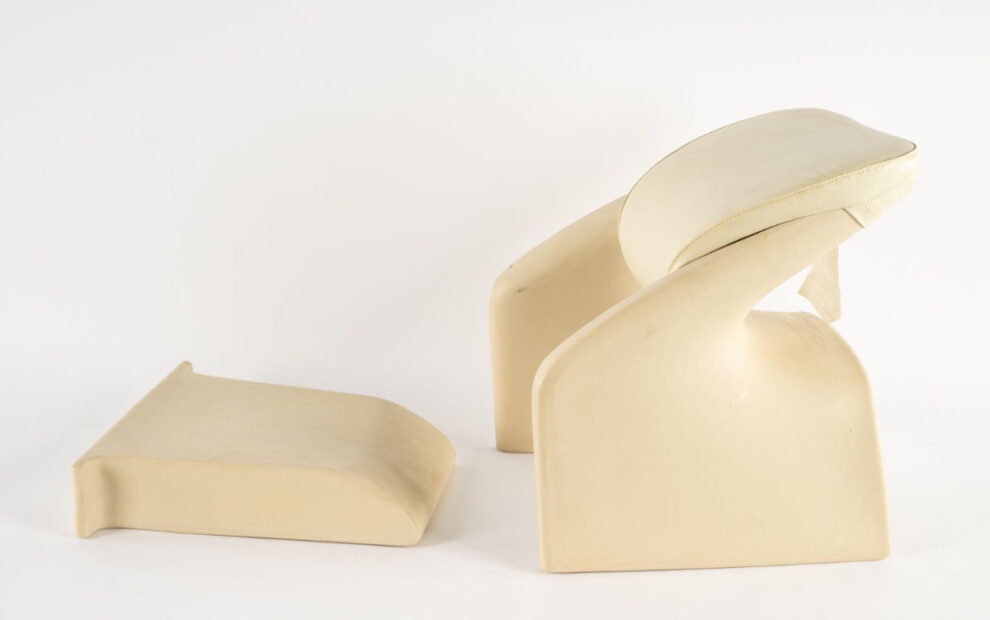
Current car seats rely on advanced materials, five‑point harnesses, and strict crash‑testing protocols to ensure protection. Today, the Tot‑Guard survives mainly as a historical curiosity displayed in museums such as The Henry Ford. It is no longer legal or safe for transporting children, especially since modern seats have expiration dates and must be discarded if they are old or have been involved in a crash.